Curly or shortcrust sfogliatella, the real story of babà, how to order at a Neapolitan bar, and where to find the city's most famous historic pastry shops.
A real Neapolitan breakfast is a warm sfogliatella or a babà, eaten standing at the counter with a short, strong coffee, not the cappuccino and croissant you find everywhere else in Italy from seven in the morning. Below: the difference between curly and shortcrust sfogliatella, the story of babà (which wasn't born in Naples, even if that's hard to believe today), how ordering at the bar works, and where to go, from the old town to the station.
Sfogliatella riccia or frolla
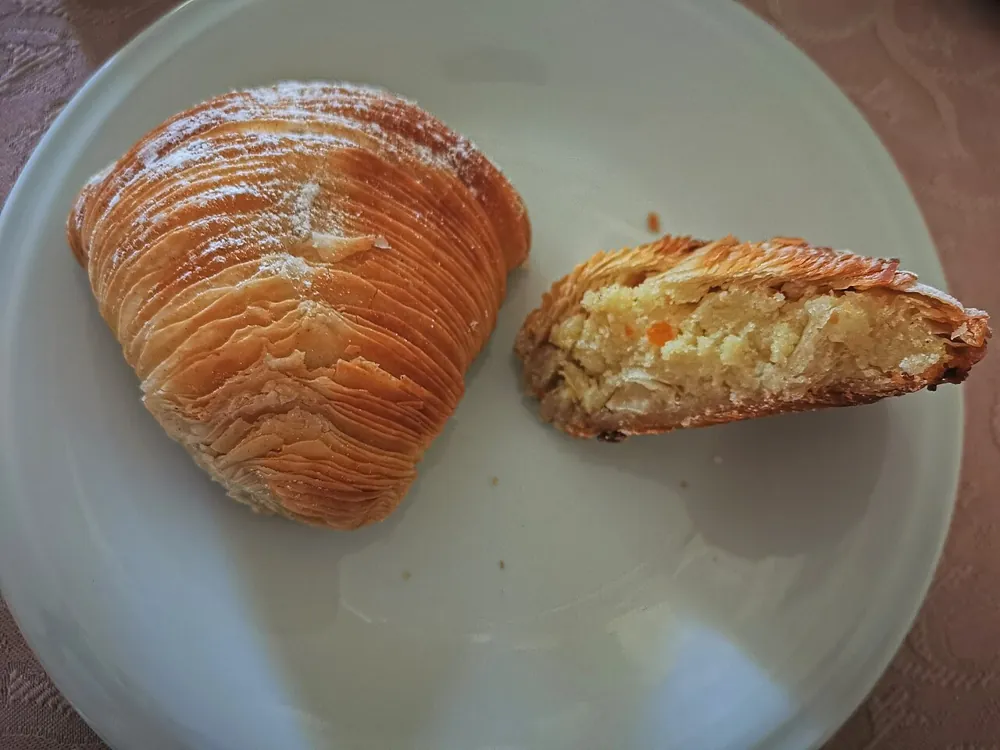
The riccia is the one you see in photos: a shell of very thin, crisp layers, shaped like a shell, filled with semolina cream, ricotta, candied fruit and cinnamon. The frolla has the same filling but a shortcrust shell, softer and less oily: it's easier to eat on the move without getting your hands messy. Neither is “the real one”; they're two different pastries with the same heart. The only rule that matters is eating it fresh out of the oven, while the shell is still warm.
Tradition says the pastry comes from a convent on the Amalfi coast, Santa Rosa, where nuns made a similar sweet with a different shell. In 1785 Pasquale Pintauro opened his pastry shop on via Toledo and brought the recipe to the city, learned from an aunt who was a nun at that convent: this is how today's sfogliatella riccia was born. The shop, after a closure, reopened in March 2026 on the same spot on via Toledo, with the original marble recovered during the restoration.
A short walk from Napoli Centrale station, Antico Forno delle Sfogliatelle Calde Attanasio has been making and selling them hot since the 1930s, on Vico Ferrovia, just around the corner from piazza Garibaldi. It opens very early and closes one day a week, worth knowing if you're about to catch a train and want one last taste before you go, though it's worth checking the hours for the day you plan to visit.
Babà, a pastry that wasn't born here
Babà travelled a long way to get here: in the 18th century the exiled king of Poland, Stanisław Leszczyński, living in France, found a local yeast cake too dry and asked his pastry chefs to make it softer by soaking it. From there it passed to the French courts and, with the Bourbons, arrived in Naples, where it took the mushroom shape and the soak of water, sugar and rum you know today. In some places you'll find it “uncovered”, meaning the rum is poured over the already-soaked pastry at the table, an extra ritual for anyone who wants to feel it stronger.
How a Neapolitan bar works
At the counter you pay first at the till, then take the receipt to the counter and order there: that's how it works almost everywhere, from the neighbourhood bar to places in the centre. Standing at the counter costs less than sitting at a table, and it's how Neapolitans themselves do it, even for a five-minute coffee before work. Coffee here means espresso: fuller and less acidic than what you'll find further north, served in a small cup. If you don't like it bitter, you can ask for a “caffè macchiato caldo”, with a splash of warm milk, or a “caffè alla nocciola”, a sweet hazelnut version common in the city: these aren't menu mistakes, they're local habits.
There's another tradition born in Naples' bars: the caffè sospeso, paying for an extra coffee and leaving it for someone who can't afford one. It started at Gran Caffè Gambrinus, open since 1860 and under its current name since 1890, the historic salon between piazza Trieste e Trento and via Chiaia where Hemingway and Empress Sissi once sat: at the entrance there's still a box where receipts for caffè sospeso are left, a custom that spread from here around the world.
Historic pastry shops, area by area
Where to go by area
- Old town, piazza San Domenico Maggiore: Scaturchio has been there for generations, in a building designed by Vanvitelli, best known for the Ministeriale, a dark chocolate medallion with a liqueur cream inside.
- Via Toledo: Pintauro, at number 275, the same spot where it all began in 1785, now reopened under the original sign.
- Napoli Centrale station, Vico Ferrovia: Attanasio, hot sfogliatelle since the 1930s, easy to grab if you've got a train to catch.
The savoury alternative, if sweet gets old
Not everyone wants to start the day with sugar. The tarallo 'nzogna e pepe, made with lard, pepper and almonds, is sold in bakeries and by street vendors and is salty and crunchy enough for a different kind of breakfast. The graffa, Naples' take on the doughnut, started as a Carnival treat but is now found year round in neighbourhood bakeries. The plain or cream-filled croissant, finally, has made its way here like everywhere else in Italy, and it's the simplest choice when you don't feel like choosing.
For the rest of the day, from a quick lunch to a slow dinner, the guides to where to eat in Naples and street food in the old town cover the rest of the Neapolitan table. If you're still planning your visit, things to do in Naples is still the easiest place to start, updated with what's actually happening in the city.
Frequently asked questions
What's the difference between sfogliatella riccia and frolla?
The filling is the same, semolina cream, ricotta, candied fruit and cinnamon. The shell changes: riccia is thin, crisp layers, frolla is soft shortcrust pastry, easier to eat on the move.
Is babà really Neapolitan?
Not by birth: it comes from Poland by way of Bourbon France in the 18th century. In Naples, though, it took on the shape and the soak we know today, becoming one of the city's symbols.
How do you order at a bar in Naples?
Almost always you pay at the till first, take the receipt and bring it to the counter to order. Standing is normal, even for Neapolitans, and costs less than sitting at a table.
What is caffè sospeso?
It's the custom of paying for an extra coffee so that someone who can't afford one can drink it for free. It began in Naples' bars, with Gran Caffè Gambrinus as its symbolic home, and spread from there to many other cities around the world.
Information checked on 21 November 2026.
Worth booking
Two experiences that go with this guide, picked among the best reviewed. Book online, usually with free cancellation up to 24 hours before.
Food · 2.5 hours
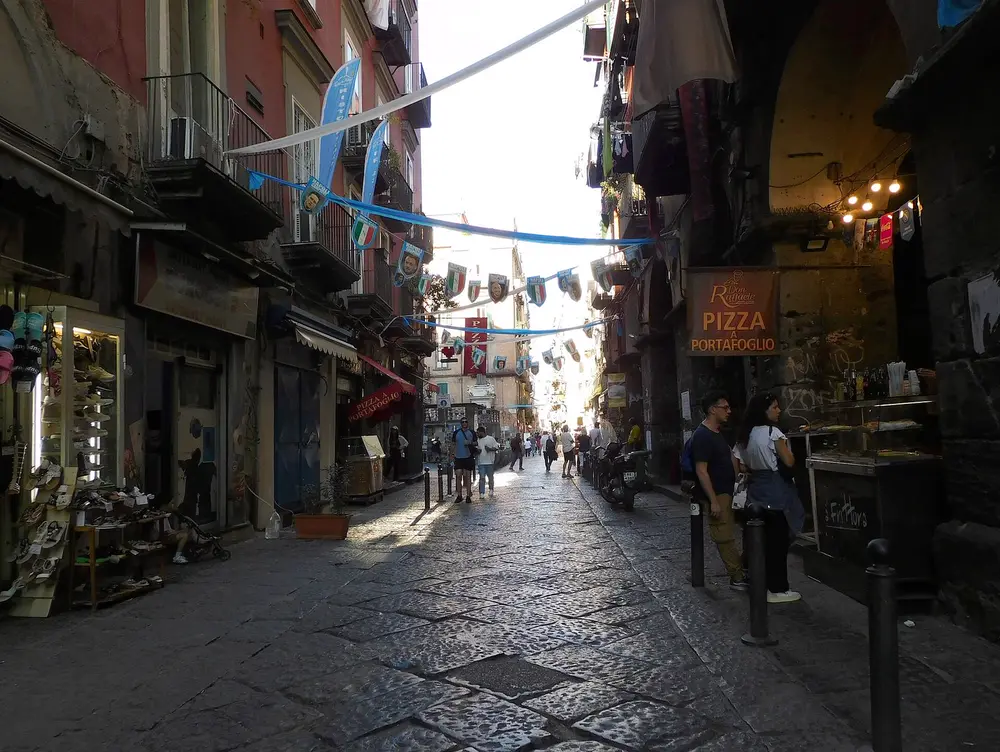
Naples street food tour of the old town with a local guide
Old town
Tastings along the way + spritz and limoncello
Food · 2.5 hours
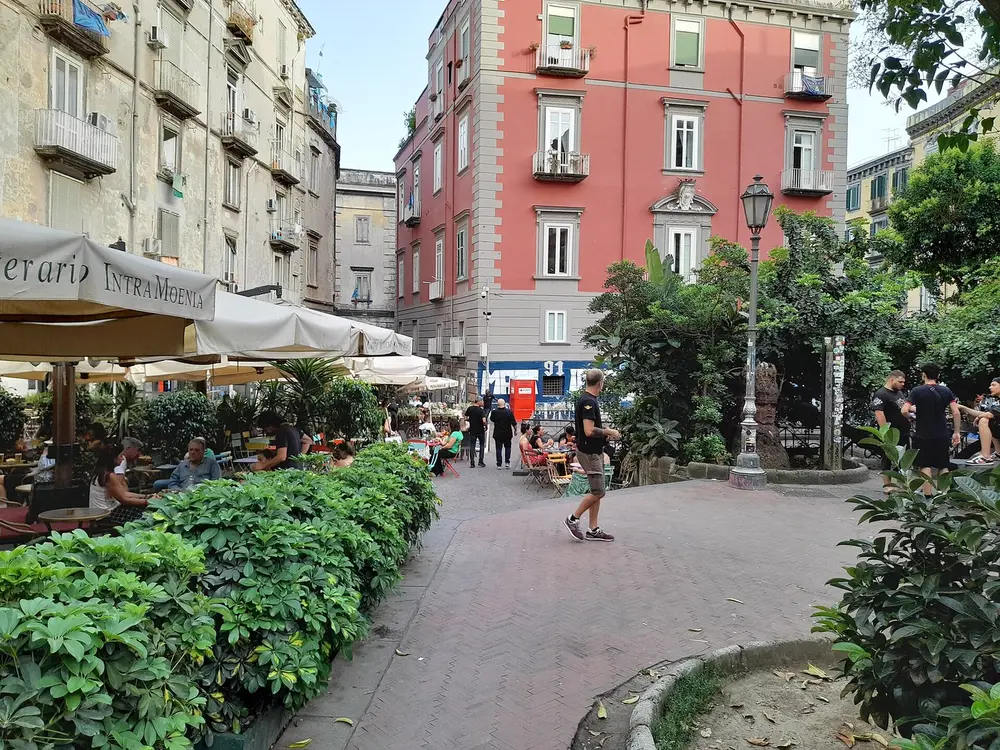
Naples food tour in the old town from Piazza Bellini, with spritz
Piazza Bellini
Tastings + spritz
For the rest of your stay: things to do in Naples today, this weekend and in the days ahead, checked every morning.
- breakfast in naples
- sfogliatella
- babà
- neapolitan coffee
- historic pastry shops naples

Who wrote this
Gianluca Scanni
Founder @ Cose Fighe