Pizza a portafoglio, frittatina, cuoppo, sfogliatella and 'o per' e 'o muss: what to eat on the street in Naples, where to find it, prices and timing.
Naples has been eating standing up for centuries. In the 1800s people bought macaroni in the street and ate it with their hands, pizza started life as a takeaway, and the friggitorie (fry shops) fed anyone who had no kitchen at home. Almost everything has changed since, except this: a pizza folded in four, a hot paper cone of fried bits, a sfogliatella at the bar counter are still how a good part of the city has breakfast, lunch or an afternoon snack.
Here you'll find what to eat, where to go area by area, roughly what you'll spend and when it's worth heading out. Prices are a guide: they've gone up in recent years, especially in the old centre, and they change from place to place.
What to eat
Pizza a portafoglio
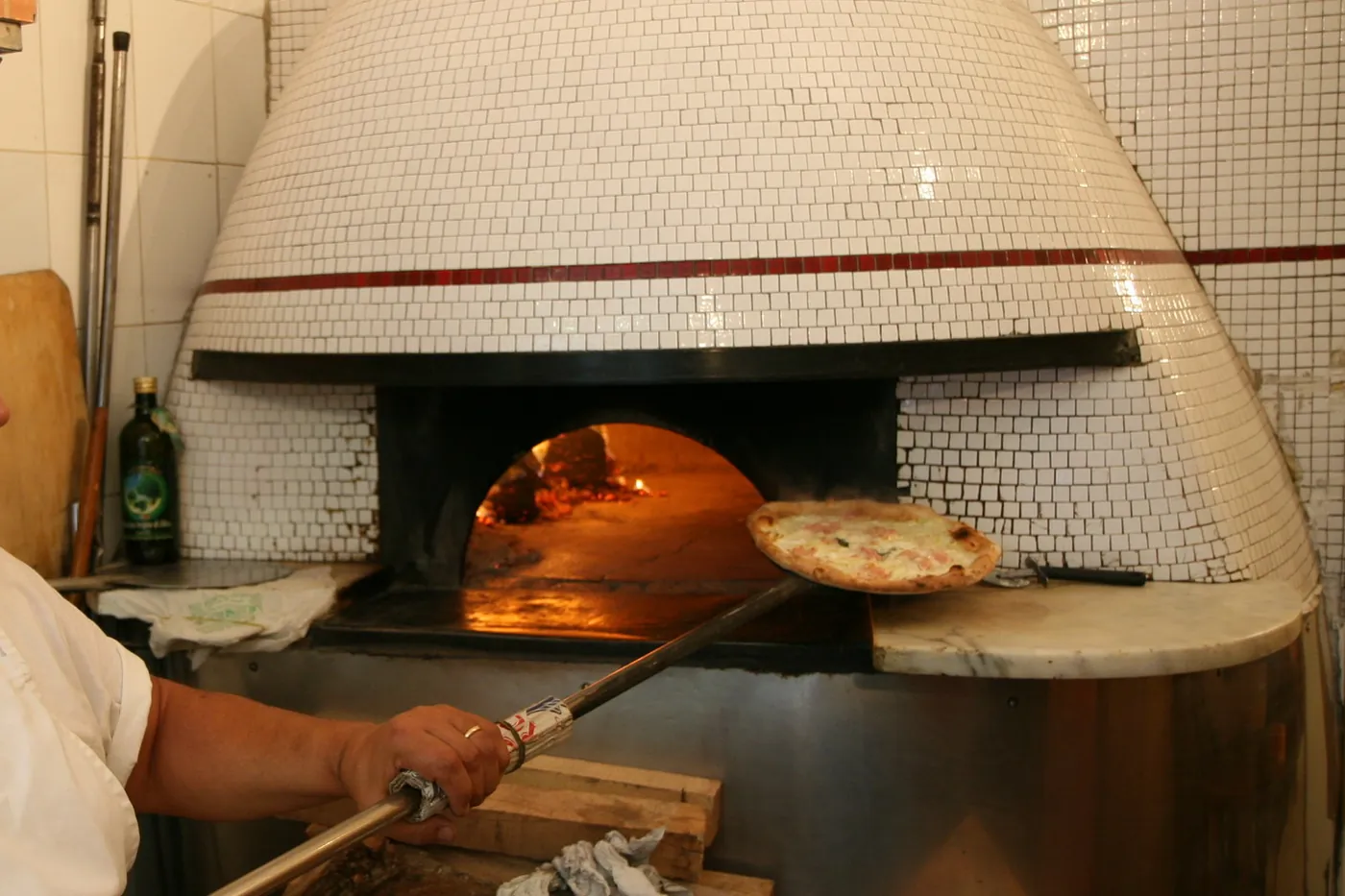
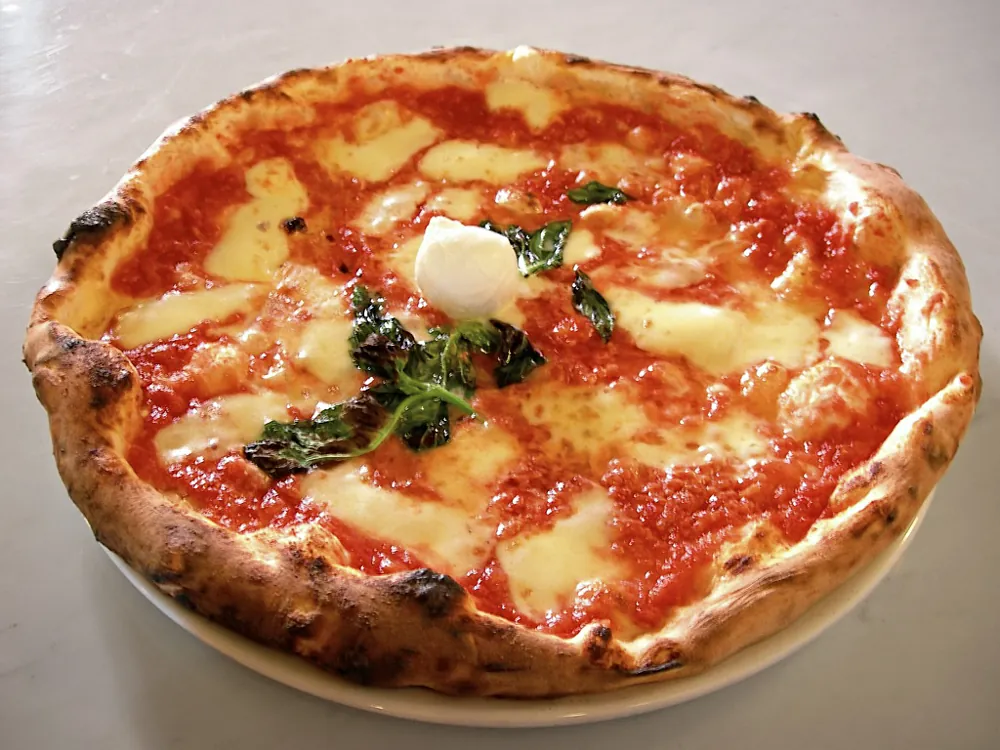
The walking pizza: a small round, margherita or marinara, folded in four like a wallet (portafoglio) and wrapped in paper. You eat it as you walk, starting from the point, and the tomato will try to escape out of the other end: keep it level. You'll find it at the historic pizzerias of the old centre, on and around via dei Tribunali, which sell it from a street counter. Expect €2-5 depending on the place: cheap in the backstreets, a bit more at the famous names.
Frittatina di pasta
A disc of bucatini or short pasta bound with béchamel, peas, minced meat or ragù, breadcrumbed and fried. Crunchy outside, molten inside. It's the star of every friggitoria, and one will keep you going until dinner. Around €2-3.
Cuoppo
A cone of brown paper filled with fried food. The land version has potato crocchè, small arancini, zeppoline (little balls of risen dough), courgette flowers and battered vegetables; the sea version has anchovies, squid and small prawns. The price depends on size and filling: a land cuoppo starts at €4-5, a fish one costs more.
Arancino and crocchè
In Naples the arancino often goes by pall' 'e riso: rice with ragù or tomato sauce, peas and mozzarella, breadcrumbed and fried, smaller than the Sicilian kind. The crocchè, or panzarotto, is a potato croquette with a heart of provola cheese. They're sold by the piece, €1-3 each, and they're the base of every cuoppo.
Pizza fritta
The wartime pizza, from when the oven cost too much: pizza dough filled with ricotta, cicoli (pork crackling), provola and pepper, closed into a half-moon and fried. There's also the montanarina, a small disc fried first and then topped with tomato and parmesan. On via dei Tribunali some families have been making it for generations. Expect €3-6, depending on size and filling.
Tarallo sugna e pepe
The Neapolitan tarallo is a ring made with sugna, that is pork lard, black pepper and whole almonds in the dough. It was born as a way to use up leftover bread dough, and you eat it in the evening with a cold beer, above all on the seafront. Sold by the piece or by weight, around €1-2 each.
Panino napoletano
Not a filled roll from a bar: it's a baked bread, a sort of soft roll stuffed with salami, hard-boiled egg, provola, lard and pepper, baked with everything inside. You'll find it in bakeries and many bars; it's the everyday cousin of the Easter casatiello. Around €2-3.
'O per' e 'o muss
The name says it all: the pig's foot and the calf's muzzle. Boiled, cooled, cut into small pieces and served cold with coarse salt and lemon. It's sold from stalls with a brass cart, at the Pignasecca, towards Porta Capuana and on the seafront. It's a very particular taste, gelatinous and salty: you either love it straight away or never order it again. A tub costs €3-4.
Sfogliatella
Two versions with the same filling of semolina, ricotta, candied peel and cinnamon. The riccia has fan-shaped layers of pastry that crumble everywhere, the frolla a soft shortcrust shell. The riccia is eaten hot, straight from the oven, which makes it a morning affair. Around €1.50-2.50.
Babà
A mushroom-shaped yeasted cake soaked in rum syrup. At the counter you take it as it comes, mushroom-shaped, or as a bigger version cut into slices with cream. It's the sweet that ends every tasting round. Around €2-3.
“The rule is simple: if there's a queue of Neapolitans in front of the window, join it.”
Where: the historic centre
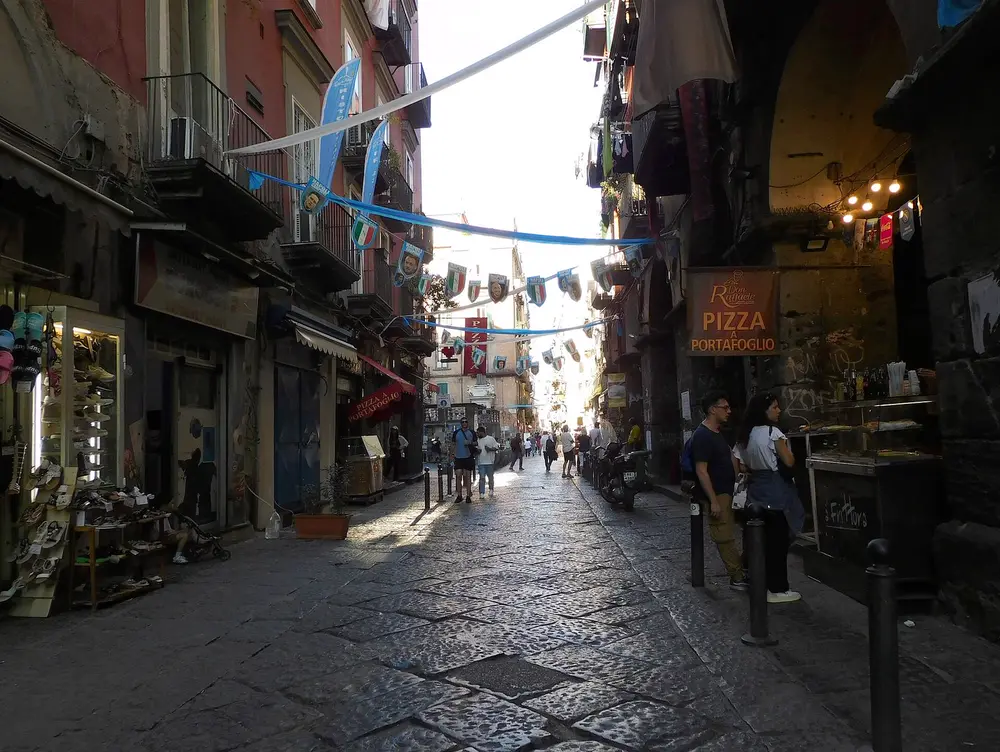
The old centre, between via dei Tribunali and Spaccanapoli, has the highest density of places to eat on your feet. On via dei Tribunali there are the historic pizzerias selling pizza a portafoglio from a window onto the street, and the fry shops with pizza fritta. On piazza San Domenico Maggiore is Scaturchio, a pasticceria (pastry shop) from 1905, where you have the babà and the ministeriale, a medallion of chocolate and liqueur. Towards Forcella, close to via Duomo, is the area of the historic sit-down pizzerias, which also have a takeaway counter.
The historic centre is also the most touristy part of town, and it shows: some shop windows are made for photos more than for eating. The trick is to watch who's buying: where the locals stop, the food is usually good.
Where: the Pignasecca and Montesanto
The Pignasecca is the city's oldest market, behind piazza Carità, and the place where Neapolitans really eat while doing their shopping. Along via Pignasecca there are fishmongers, delis and fry shops working from the morning. Fiorenzano, at number 48, has been frying since 1897: pizzette, montanare, arancini, crocchè, courgette flowers and cuoppi from land and sea. Around here you'll also find the tripe shops with 'o per' e 'o muss and stalls frying fish to order.
The market is at its liveliest in the morning, from 9am to lunchtime, and calmer on weekdays. On Sunday afternoons many shutters stay down. Montesanto, a couple of minutes away, is also the terminus of the Cumana railway to the Campi Flegrei (the funicular, on the other hand, is closed for works until mid February 2027).
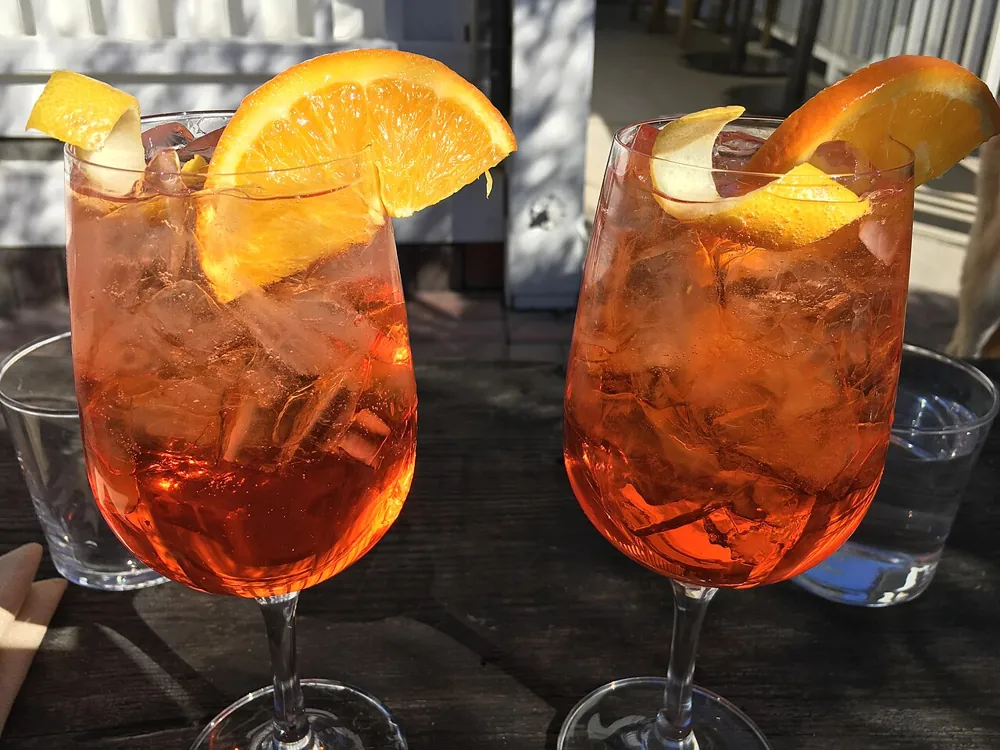
To do it with a guide there's the Pignasecca in six stops, with spritz, tarallo, pizza a portafoglio and cuoppo.
Where: the Quartieri Spagnoli and via Toledo
The Quartieri Spagnoli (the Spanish Quarter) are the grid of narrow streets above via Toledo. The fry shops and bakeries here serve the neighbourhood more than passers-by, with prices a little lower than the old centre. It's also where the Maradona mural is, so some streets are packed with visitors, but climb a couple of alleys and you're back among the bassi (ground-floor homes), washing lines and fruit stalls.
At the lower end of via Toledo, towards the Galleria Umberto, is Pintauro, the historic shop credited with the sfogliatella riccia as we know it today. A little further on, at the Galleria Umberto entrance on via Toledo, there's a small sfogliatella counter with a queue at all hours. The Quartieri tour with murals, market and a tasting puts all three together in two hours.
Where: Chiaia and the seafront
Chiaia is the smart neighbourhood, and street food changes face here: it's aperitivo country more than fry-shop territory. In the side streets between via dei Mille and piazza dei Martiri people eat standing outside the bars with a spritz and something fried. For evenings and aperitivo, see our guide to where to have an aperitivo in Naples.
The seafront, between via Partenope and via Caracciolo, is the place for taralli and beer: in the evening the kiosks sell tarallo sugna e pepe, and a few carts still have 'o per' e 'o muss with lemon. You eat sitting on the sea wall, looking at Castel dell'Ovo.
What it costs
Rough prices, per piece:
- Pizza a portafoglio: €2-5
- Frittatina, arancino, crocchè: €1-3
- Cuoppo: €4-8, more for fish
- Pizza fritta: €3-6
- Tarallo sugna e pepe: €1-2
- Panino napoletano: €2-3
- 'O per' e 'o muss: €3-4
- Sfogliatella and babà: €1.50-3
With €15-20 a head you'll have a full standing lunch, pastry and coffee included. At the counter an espresso costs just over a euro, at a table more: drink it standing up like everyone else and you'll spend less.
When to go
- Early morning, 7am-10am: hot sfogliatelle and coffee at the counter, pastry-shop time
- Late morning, 11am-1pm: the pizzerias open their street counters and the fry shops get into their stride
- Lunch, 1pm-3pm: the busiest time, with queues everywhere
- Afternoon: many places take a break or slow down; good for a babà
- Evening, 6pm-10pm: pizza fritta, cuoppo and taralli on the seafront
Sunday afternoon and Monday are when you'll find the most shutters down, especially at the markets. In August some shops close for the holidays, and closing days vary from place to place: if you're going for a specific address, check first.
With a guide or on your own
On your own works perfectly well: the centre is small and the places are easy to find. A guide is useful for two things: knowing where to stop without wasting time, and having someone tell you what you're eating. There are tours for every taste: street food in the historic centre with a local guide, two and a half hours from piazza Bellini with pizza a portafoglio, frittatina, babà and sfogliatella; tarallo, pizza a portafoglio, frittatina, ragù and babà in four stops, from piazza Dante, in English; and wine, babà and murals between Porta San Gennaro and the Sanità, to get off the beaten track.
To pair the food with a day in the city, have a look at things to do in Naples: markets, sagre (food festivals) and food events change every week.
Frequently asked questions
What is the most typical street food in Naples?
Pizza a portafoglio and the frittatina di pasta are the two things almost everyone tries first. Right after them come the cuoppo of fried food, pizza fritta, sfogliatella and babà.
How much does street food in Naples cost?
A single piece usually costs €1-5, a cuoppo €4-8. With €15-20 a head you'll have a full standing lunch, with pastry and coffee.
Where is the best street food?
There are four areas: via dei Tribunali and the old centre for pizza and fried food, the Pignasecca for fry shops and the market, the Quartieri Spagnoli for neighbourhood places, and the seafront for taralli and 'o per' e 'o muss.
What time is best to go?
Early morning for hot sfogliatelle, from 11am for pizza a portafoglio and fried food. Avoid Sunday afternoon, when many markets and shops are closed.
What is 'o per' e 'o muss?
Pig's foot and calf's muzzle, boiled, cut up and served cold with salt and lemon. It's sold from stalls at the Pignasecca, towards Porta Capuana and on the seafront.
Is Neapolitan street food OK for vegetarians?
Partly. Pizza a portafoglio margherita or marinara, crocchè, zeppoline, courgette flowers, montanarina, sfogliatella and babà are all meat-free. Watch out for the tarallo and the panino napoletano, which contain lard, and the frittatina, which often has meat or ragù.
Worth booking
Two experiences that go with this guide, picked among the best reviewed. Book online, usually with free cancellation up to 24 hours before.
Food · 2.5 hours
Naples street food tour of the old town with a local guide
Old town
Tastings along the way + spritz and limoncello
Outdoor · 3.5 to 8 hours
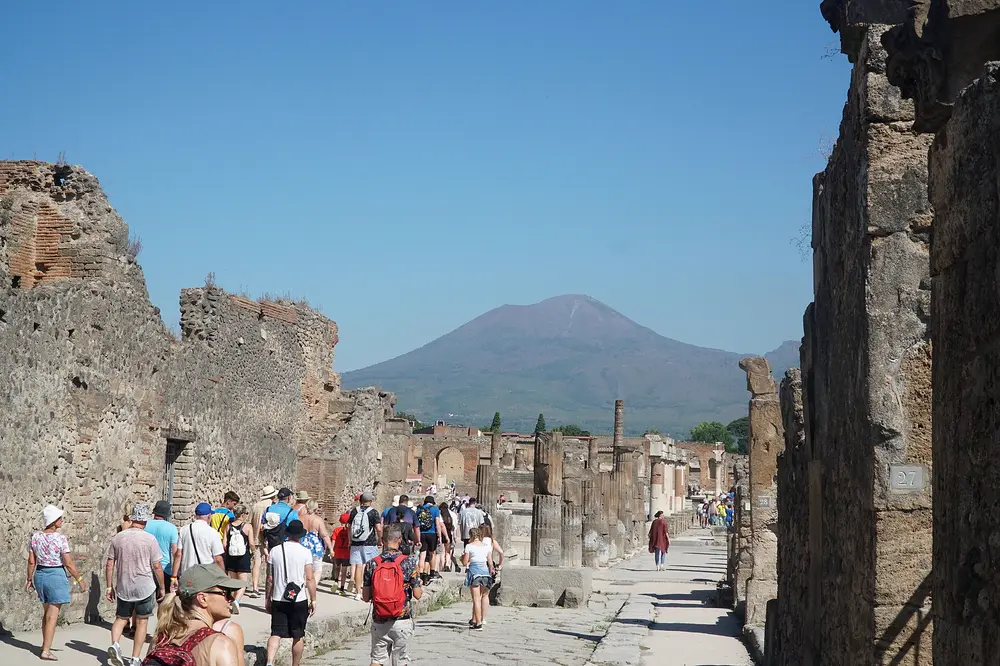
Vesuvius and Pompeii day trip from Naples, with pizza lunch
Piazza Garibaldi
Return coach + guide + Pompeii and Vesuvius tickets + pizza
For the rest of your stay: things to do in Naples today, this weekend and in the days ahead, checked every morning.
- street food
- food
- naples
- quartieri spagnoli
- local

Who wrote this
Gianluca Scanni
Founder @ Cose Fighe