Old town, Spanish Quarters, Chiaia or Vomero: how to choose the right area to stay in Naples, with the pros and cons of each, area by area.
There is no single best area to stay in Naples: there is the right one for the trip you are taking. The old town keeps you up late and wakes you with church bells, the Spanish Quarters cost less and put you inside the real life of the city, Chiaia is the elegant choice near the sea, and the Vomero hill is the quiet option with the best view over the gulf. Here are the areas one by one, with the pros, the cons and how to get around from each, without hotel names: you choose those yourself by price and reviews, here you just need to know where to look first, depending on how many days you are staying and what you want to do in the evening.
How the city is laid out, in short
Naples is easier to read as a set of bands. The old town, between piazza Dante and the Duomo, is Greek and Roman below and Baroque above: straight streets called decumani, crossed by narrow alleys. To the west, climbing from via Toledo, the Spanish Quarters hill opens up; continuing past piazza Plebiscito you reach Chiaia and the Santa Lucia seafront. Higher still, by funicular, is the Vomero. North of the old town, past Porta San Gennaro, is Rione Sanità; to the east, past piazza Garibaldi, is the station area. All of these areas are connected by metro line 1 or one of the funiculars, so no choice is really out of the way, it only changes how long it takes to get there.
Old town: steps from everything, but you sleep less
Spaccanapoli, via dei Tribunali, San Gregorio Armeno, piazza San Domenico Maggiore: the old town is the postcard image of Naples, and staying here means walking everywhere, from the Duomo to the Veiled Christ, from San Lorenzo Maggiore to the piazza Dante metro stop. No other area saves more time getting around: museums, churches, workshops and half of the guided experiences on this site start less than ten minutes away on foot. The price of this convenience is noise: via Tribunali and piazza Bellini, the heart of the student nightlife with open-air Greek walls among the outdoor tables, stay lively until late on weekends, and in the narrowest alleys cars cannot enter, so luggage has to be carried by hand or with a small trolley right up to the door. What to see in Naples covers the old town place by place, and what to do in Naples at night explains which streets stay lively after dinner and which empty out by eleven.
Toledo and the Spanish Quarters: fair prices, real life
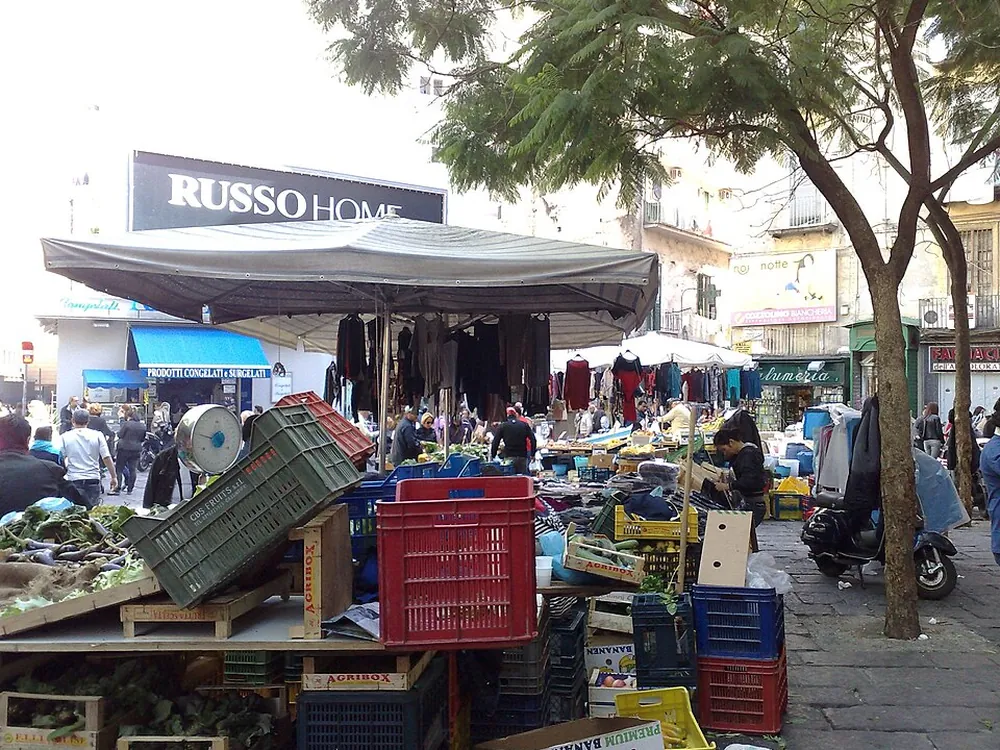
Climbing from via Toledo you enter the Spanish Quarters, twelve streets laid out in a grid in the sixteenth century to house Spanish troops: today they are alleys with washing hung between balconies, televisions on loud enough to hear from the street, the Maradona mural at Largo Maradona and, heading down toward Toledo, the Pignasecca market, among fish and fruit stalls and fry shops serving passers-by. It is one of the areas where you spend less to sleep while still staying close to metro line 1, at the Toledo or Dante stops, and twenty minutes on foot from the sea. By day it is one of the liveliest areas in the city, full of small shops, pizzerias and trattorias with honest prices; in the evening it is better to stick to the main streets near via Toledo, busier and better lit, and leave the more isolated, darker alleys for daylight, as the guide to the Spanish Quarters also explains. The real risk here, as in any crowded, working class area of the city, is mostly pickpocketing.
Chiaia, Santa Lucia and the seafront: the elegant area
Chiaia is the upscale neighborhood between via dei Mille and the sea, with the small bars behind Piazza dei Martiri, vico Belledonne and via Bisignano, and via Caracciolo running as a pedestrian promenade toward Mergellina along the Villa Comunale park. You sleep well, you can walk around safely even after dinner, and you are still twenty minutes on foot from the old town, five minutes by funicular from the Vomero, or a short bus ride from the ferry terminal. It is the most expensive area in the city along with the Santa Lucia seafront, with shops, more polished restaurants and the Villa Comunale available for an early morning run or walk before the city fills up.
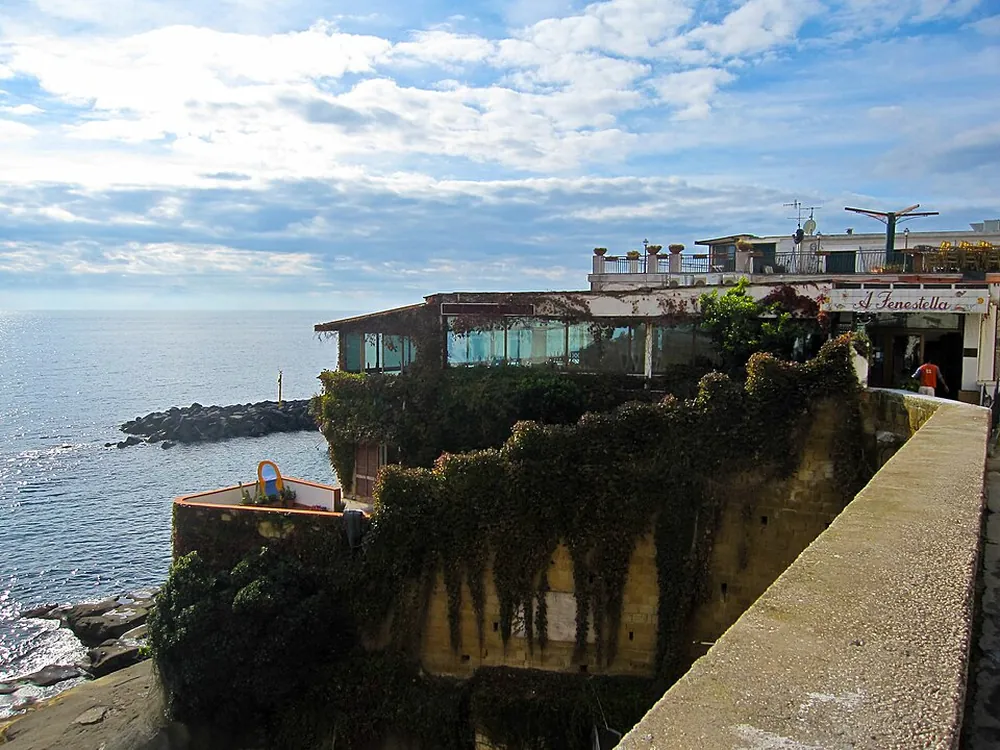
Santa Lucia, between piazza del Plebiscito and Castel dell'Ovo, is the version that sits even closer to the sea: accommodation with views over the gulf, the Borgo Marinari at the foot of the castle and the Royal Palace just steps away, but with a bit more uphill walking toward the old town compared with Chiaia. In exchange for the higher price, both areas guarantee a calmer, quieter evening than the old town; the area by area details are in the guide to what to do in Naples at night.
Vomero: the quiet hill
The Vomero is residential, quiet at night and has the best view over the gulf, from the free public viewpoint in front of the Certosa di San Martino: the whole lower city, the old town, the port and Vesuvius in a single frame, free and always open. You get down to the center on one of the three funiculars still in service: the Centrale, from piazzetta Augusteo near via Toledo, arrives at piazza Fuga; the Chiaia, from via del Parco Margherita, comes out on via Cimarosa; the Mergellina connects to the small harbor. All three run on the same ticket as the metro, the TIC from UnicoCampania, 1.90 euros for 90 minutes on metro, funiculars, ANM buses, the Cumana and the Circumvesuviana.
The fourth funicular, Montesanto, has been closed since 15 May 2026 for its mandatory twenty year overhaul, with reopening expected in February 2027: a replacement bus runs between Montesanto and piazza Vanvitelli in the meantime, but anyone staying on the Vomero will still find the Centrale the easiest option. The downside of this quiet hill is that the funiculars run on reduced hours after dinner and stop earlier than the metro: if you are coming back late, it is worth checking the last run before you go out, because on foot the only ways down are the Pedamentina, 414 steps surrounded by greenery, or the Petraio, the most direct staircase toward Chiaia, poorly lit and best avoided once it gets dark. On the other hand, anyone travelling with children, or simply looking for a night without background noise, will find the most restful base in the city here.
Sanità: genuine, but still not very touristy
Rione Sanità, behind Porta San Gennaro, was for decades a neighborhood the rest of the city looked at from a distance, as somewhere to avoid; today the catacombs of San Gennaro and San Gaudioso, restored by young people from the neighborhood, the murals by Jorit and the double ramp staircases of Palazzo dello Spagnuolo and Palazzo Sanfelice have turned it into one of the most interesting visits in Naples, as the guide to Rione Sanità explains. It is also a ten minute walk from the Capodimonte Museum, for anyone who wants to extend the day after the catacombs.
Staying here costs less than elsewhere and puts you inside a part of the city away from the most beaten paths, with the Vergini market close by for a paper cone of fried food or a limoncello coffee; tourist accommodation is still limited, though, and the area has less evening life than Chiaia or the old town. It suits anyone who wants to see a side of Naples away from the postcards and spends most of the day out and about, less so anyone looking for nightlife within walking distance of their door.
Station and piazza Garibaldi: convenient, to choose with care
Around Napoli Centrale you find the cheapest accommodation in the city, useful if you are arriving or leaving on an early morning or late evening train: metro lines 1 and 2 run from here, and the Circumvesuviana to Pompeii, Herculaneum and Sorrento leaves from the underground level of the station. It is, however, the area that calls for the most attention, especially at night, around piazza Garibaldi and the streets immediately behind the station, where the steady flow of suitcases and tourists has made pickpocketing a well known problem.
Anyone who wants to stay convenient for trains without sleeping right on the square can look toward corso Umberto or toward the Duomo, ten minutes further on foot: the same distance to the platforms, livelier, better lit streets, with more restaurants and shops open late and fewer suitcases to notice. It is the solution we recommend for anyone who has to travel at inconvenient hours but does not want to give up a quiet street to come back to in the evening.
Which area to choose
For a first trip of two or three days, where getting everywhere on foot matters most, the old town or the Spanish Quarters keep everything within walking distance and cost less than the Chiaia area. For a couple or a longer stay, where you also want a few quiet evenings, Chiaia or Santa Lucia offer more calm and a few extra euros well spent, with the seafront as a free terrace in the morning. For anyone travelling with children, or looking for sleep without surprises, the Vomero is the safest choice, as long as you accept a few extra minutes on the funicular to get down to the center and check the evening schedules. For anyone arriving or leaving at inconvenient train times, the station area solves the logistics, but it is worth choosing the streets toward the Duomo rather than the square itself. For anyone travelling on a tight budget who does not mind a bit of noise, the Spanish Quarters and Sanità remain the areas with the lowest prices in the city.
The guide on getting around Naples completes the picture with tickets, metro and funiculars to reach anywhere from any area, and 5 Naples neighborhoods worth discovering also covers areas further off the usual routes, useful if your stay lasts more than a few days.
Frequently asked questions
Which is the quietest area to stay in Naples?
The Vomero, for its quiet and distance from the nightlife of the center; Chiaia and Santa Lucia are the second choice, a bit closer to the old town but more expensive, while the old town and the Spanish Quarters stay lively until late on weekends.
Is it better to stay near Garibaldi station?
It is worth it mostly if you have very early or very late train times: even then, the streets toward corso Umberto or the Duomo are a quieter choice than the square itself, for the same convenience to the platforms.
Are the Spanish Quarters a safe area to stay in?
By day, yes, it is one of the liveliest areas in the city; in the evening it is best to stick to the main streets near via Toledo and avoid the more isolated, darker alleys, as in any working class area of Naples.
Is the Vomero far from the historic center?
By funicular it is only a few minutes, but the Montesanto line is closed for works until February 2027: it is worth relying on the Centrale, from piazzetta Augusteo near via Toledo, or the Chiaia line, from via del Parco Margherita.
Whichever area you choose, the page on things to do in Naples collects more ideas sorted by neighborhood and by taste, useful for building your days around the base you have booked.
Information checked on 13 November 2026.
Worth booking
Two experiences that go with this guide, picked among the best reviewed. Book online, usually with free cancellation up to 24 hours before.
Outdoor · 8.5 hours
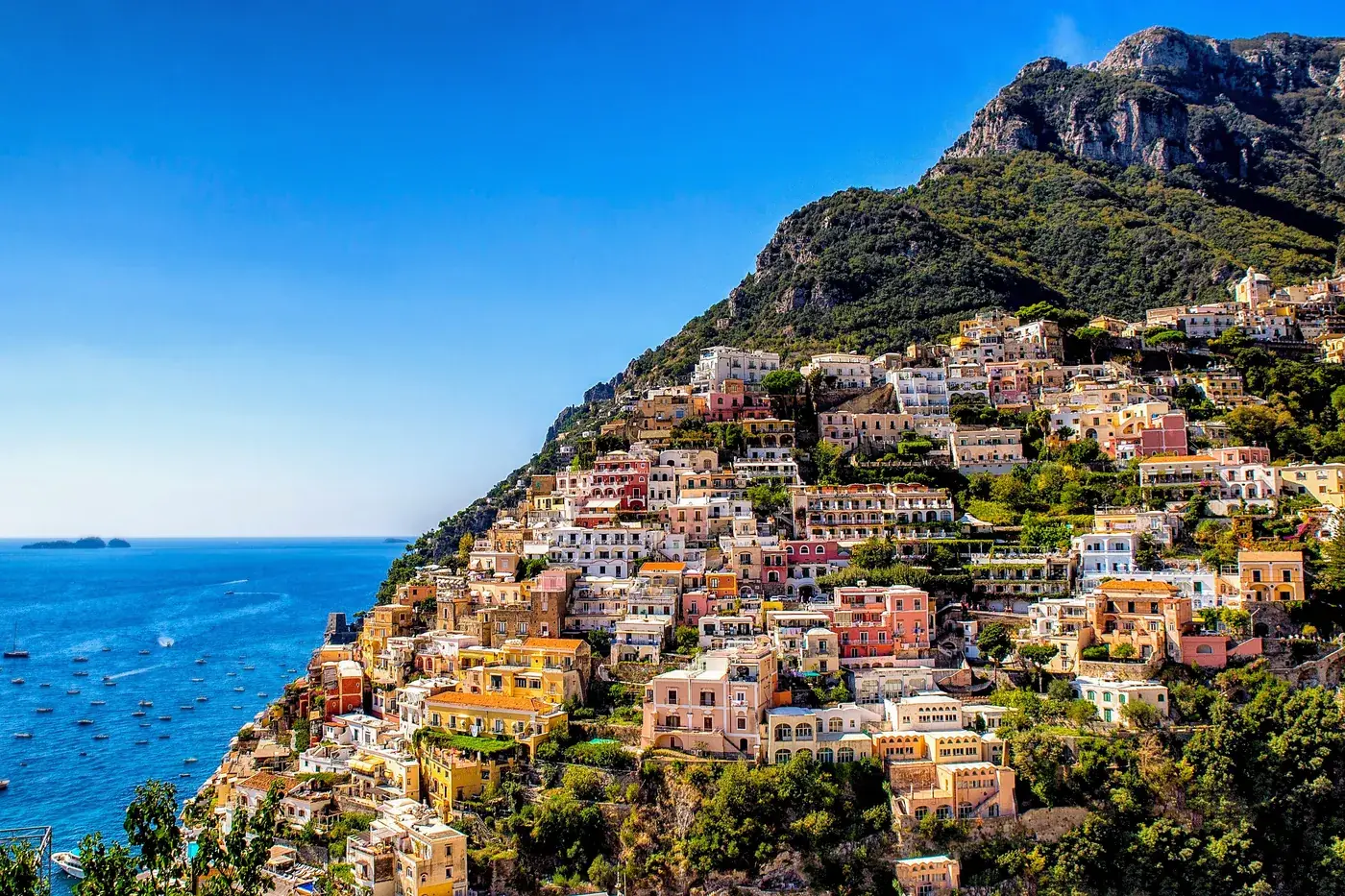
Amalfi Coast day trip from Naples: Sorrento, Positano, Amalfi
From your hotel
Return minibus + tour leader + panoramic stops
Outdoor · 3.5 to 8 hours
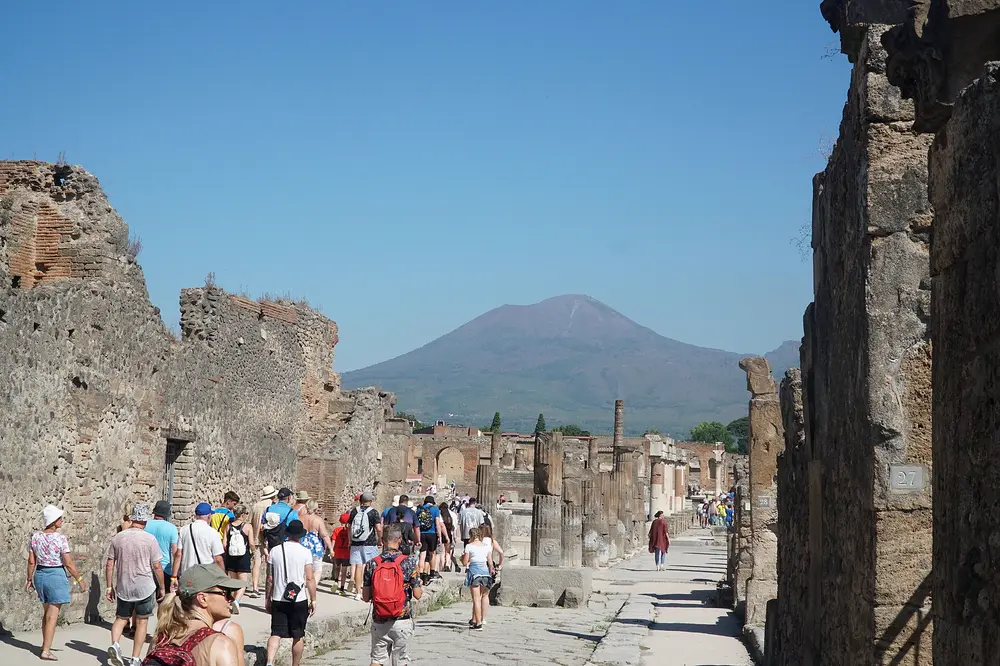
Vesuvius and Pompeii day trip from Naples, with pizza lunch
Piazza Garibaldi
Return coach + guide + Pompeii and Vesuvius tickets + pizza
For the rest of your stay: things to do in Naples today, this weekend and in the days ahead, checked every morning.
- where to stay in naples
- naples neighborhoods
- spanish quarters naples
- chiaia naples
- vomero naples
- naples old town

Who wrote this
Gianluca Scanni
Founder @ Cose Fighe