

Most popular
Food · 2.5 hours
Naples street food tour of the old town with a local guide
Old town
Tastings along the way + spritz and limoncello
4.9(5,788)Book
from€42per person
What’s on
Pick the days you’re in town: we’ll show you the events worth going to and the experiences you can book on those dates.
Naples never stops, and that’s not a figure of speech: between neighbourhood festivals, concerts, exhibitions, markets and special openings, every week holds more than anyone could fit in. Here’s the programme for the coming days, checked by our team, with times, venues and prices. Below it, the experiences you can book on the same dates: tours, cooking classes, boat trips and underground Naples, with the platforms’ prices and our honest take.
7 days, Saturday 26 September to Friday 2 October
84 experiences run on at least one of these days.
Food · 2.5 hours
Old town
Tastings along the way + spritz and limoncello
Food · 3 hours
Galleria Umberto I · up to 12 people
6 tastings + 3 drinks
Food · 2.5 hours
Piazza Bellini
Tastings + spritz
Food · 2.5 hours
Piazza Bellini · up to 15 people
Tastings at every stop
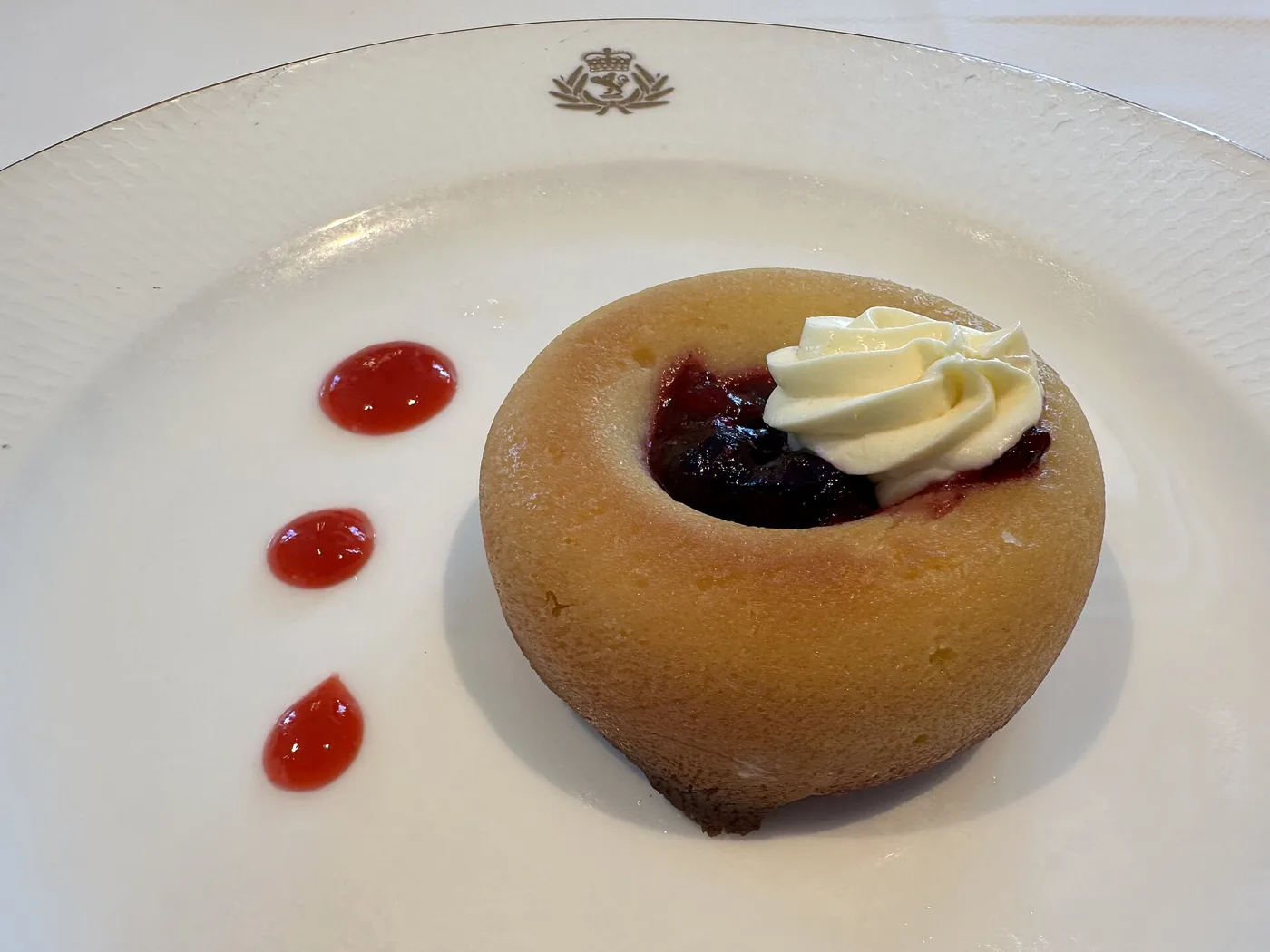
Food · 2.5 hours
Porta San Gennaro
Pizza, mozzarella, sfogliatella + wine and limoncello
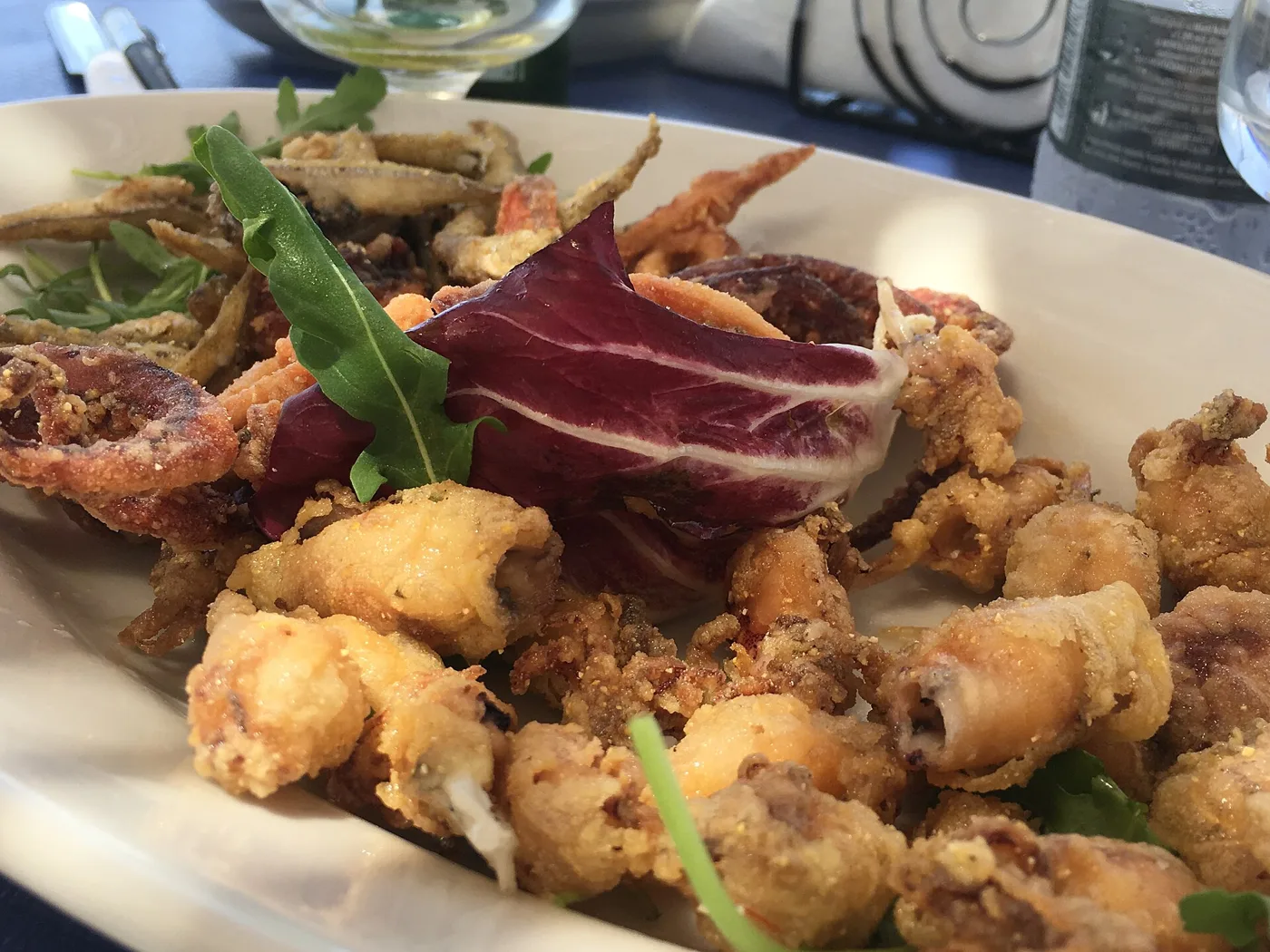
Food · 3 hours
Piazza Dante · up to 12 people
At least 4 stops + one drink
The guide
Twenty-five things in Naples that are worth the trip, chosen by people who live here: monuments, underground sites, markets, the sea, food. For each one we tell you why it's worth it, what to expect and, where there is one, the best experience for doing it with a guide, at the platform's price. The ones marked “free” won't cost you a cent.
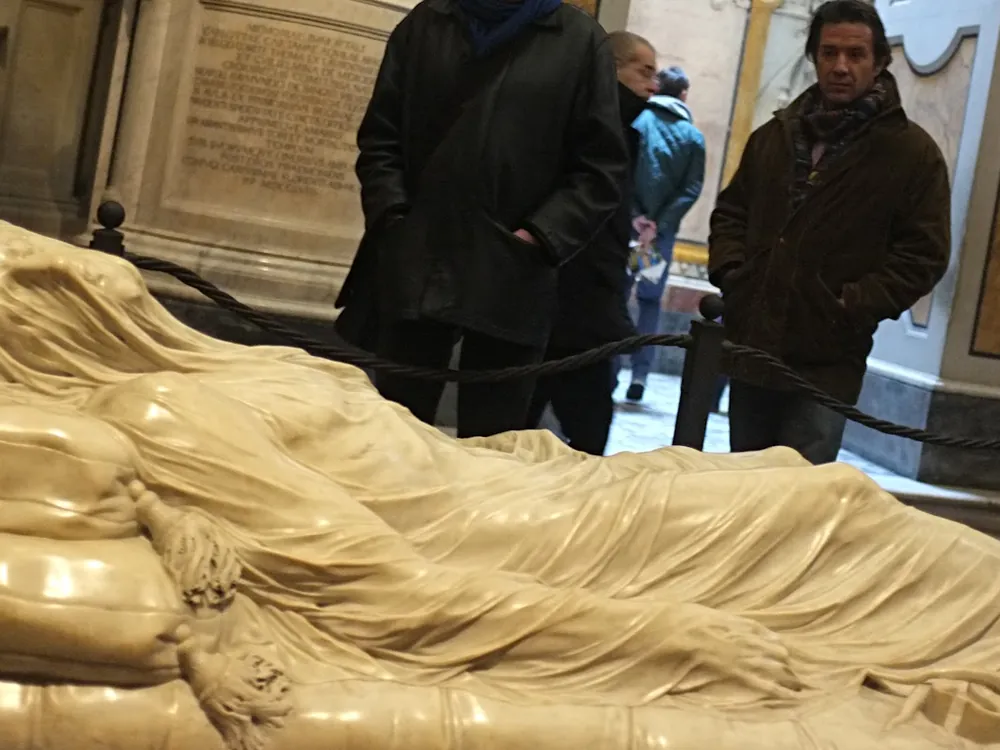
1 · Art
A marble Christ covered by a veil that looks like fabric, carved by Giuseppe Sanmartino in 1753 in a small, very crowded chapel between Spaccanapoli and via Tribunali. You walk around the statue in silence, then go down to see the «anatomical machines», two skeletons with their circulatory systems on show that have fuelled legends about the Prince of Sansevero for centuries. Buy your ticket in advance: without a booking the queue can eat up a whole afternoon.
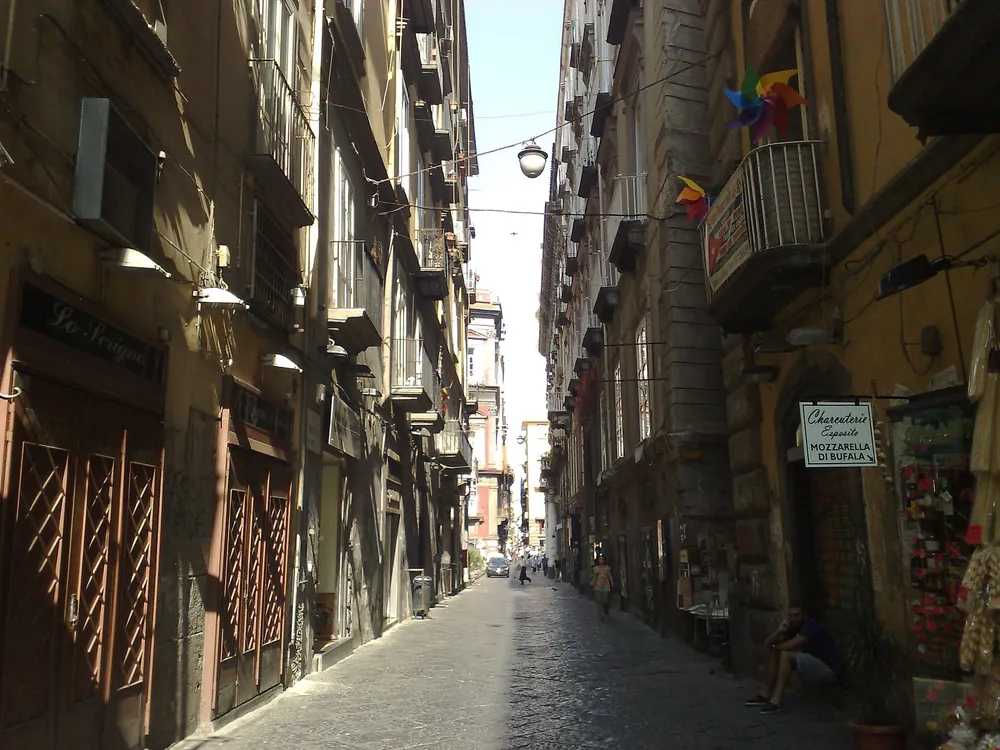
2 · Art · free
From the Vomero, the dead-straight street that splits the old centre in two looks like a crack. Walking it from Piazza del Gesù to Forcella means crossing two thousand years in a kilometre: the majolica-tiled cloister of Santa Chiara, San Domenico Maggiore, the nativity-scene workshops of San Gregorio Armeno, the Duomo just round the corner. It's free and needs no map; getting lost is part of the fun. With a guide you understand what you're looking at, and you actually get to see the two cloisters.
3 · Art
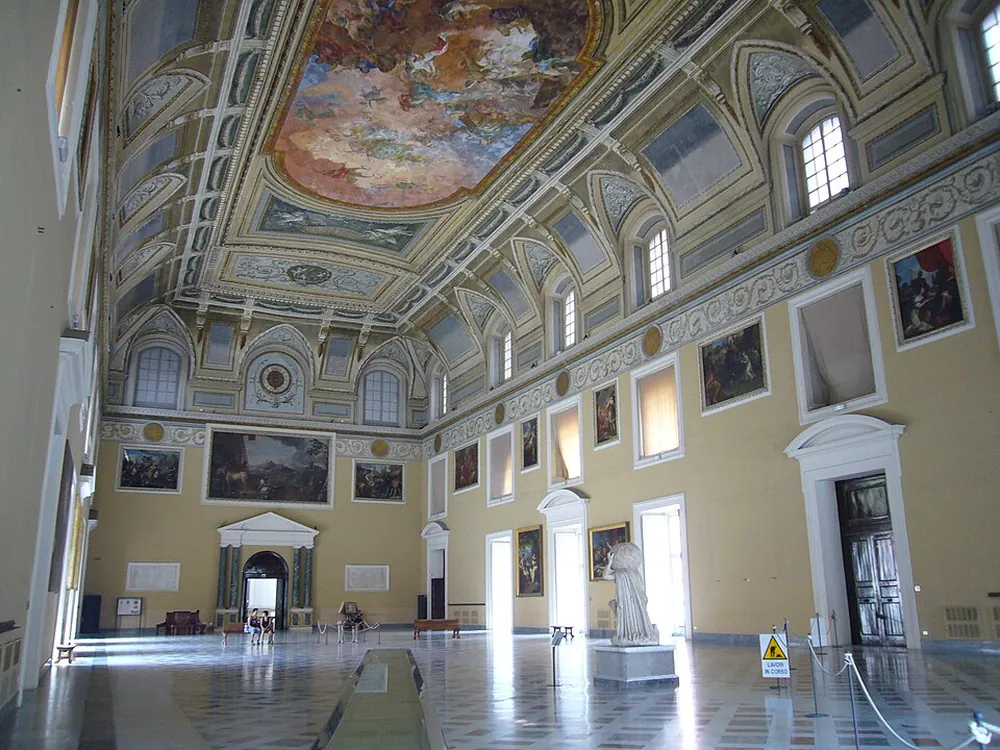
The MANN holds the best of what the excavations at Pompeii and Herculaneum gave back: the mosaics from the House of the Faun, the frescoes, the bronzes from the Villa of the Papyri, the Farnese Bull and the Farnese Hercules, the Secret Cabinet. It's a huge museum, and without a guide you come out tired, feeling you've missed the best bits. With an archaeologist, two hours are enough to leave with a clear picture, and it's the best money you'll spend on your holiday.
4 · Art
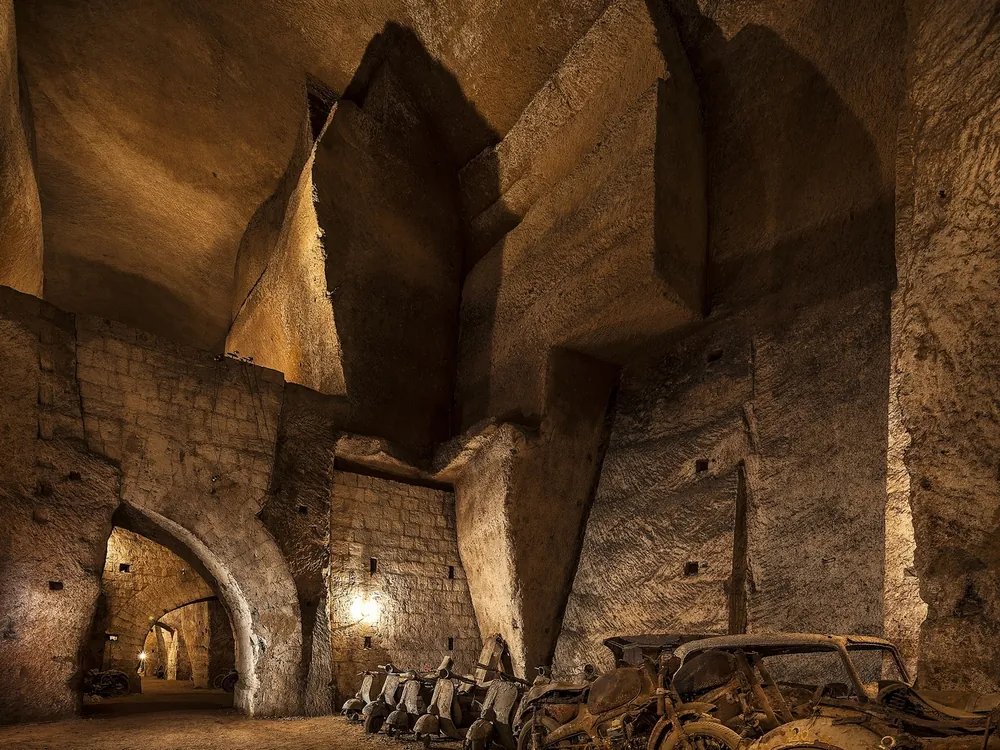
Ferdinand II had it dug in 1853 to link the Royal Palace to the barracks in case of revolt. It was never finished, and in the 20th century it became an air-raid shelter, then a police impound: the seized vintage cars and motorbikes are still there, covered in dust, next to the writing Neapolitans left on the walls during the bombing. An hour underground that tells you more about the city than many museums. Guided visits only.
5 · Art
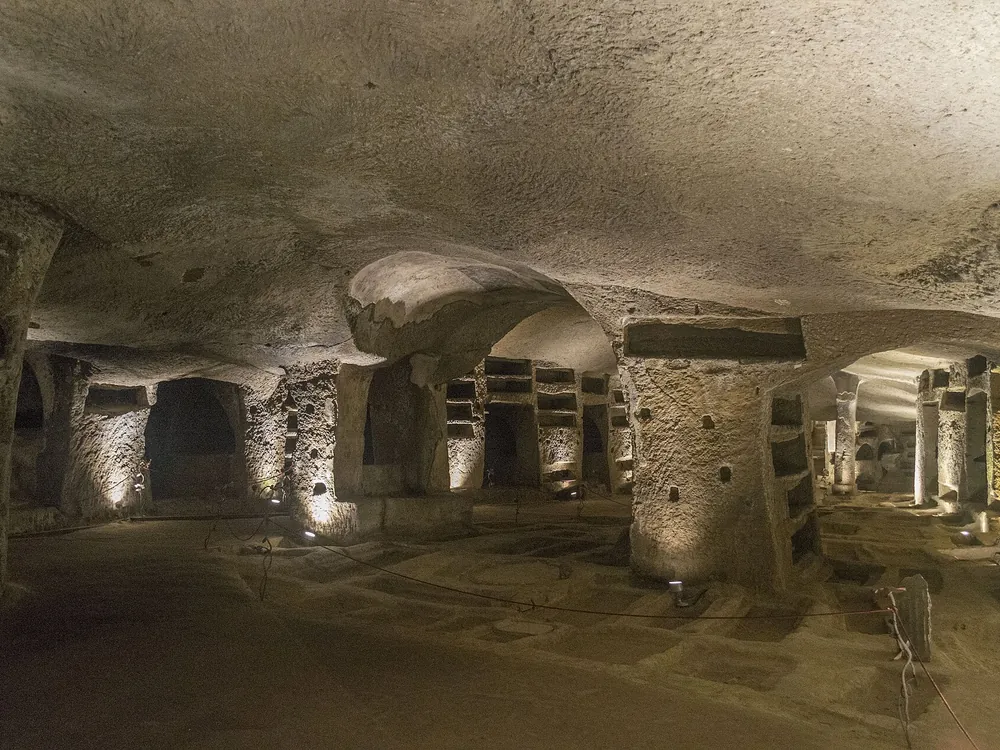
Under the Capodimonte hill, two levels of galleries dug into the tuff rock from the 2nd century, with early Christian frescoes and the first tomb of the city's patron saint. They're run by a cooperative of young people from the neighbourhood who changed the story of the Sanità, the district under the bridge that for decades even Neapolitans avoided. Pair the visit with a walk around the district: baroque palazzi, the birthplace of the comic actor Totò, the Cimitero delle Fontanelle, and one of the best fried pizzas in town.
6 · Art
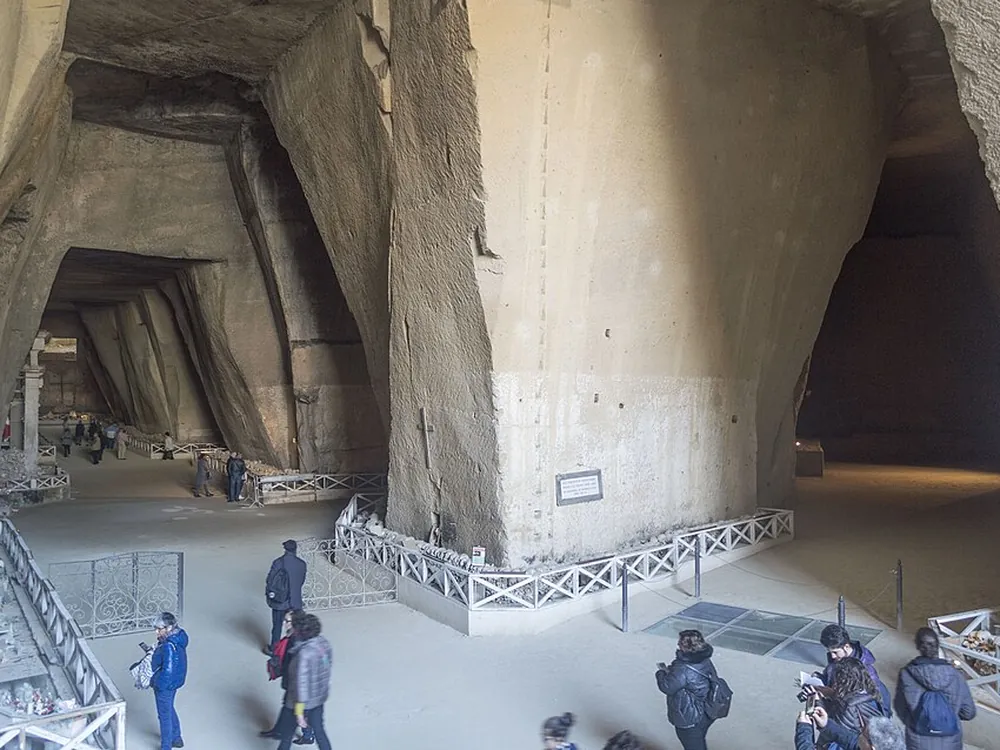
A tuff quarry at the far end of the Rione Sanità holding tens of thousands of skulls and bones, piled up after the plagues and the cholera of the 19th century. For a century Neapolitans «adopted» a skull, one of the anime pezzentelle (poor souls), cleaning it and asking for favours in return: the Church banned the cult in 1969, but you can still see lottery tickets left beside the skulls. It isn't a macabre place: it's quiet and cool, and it explains Naples and its relationship with death better than any book.
7 · Art
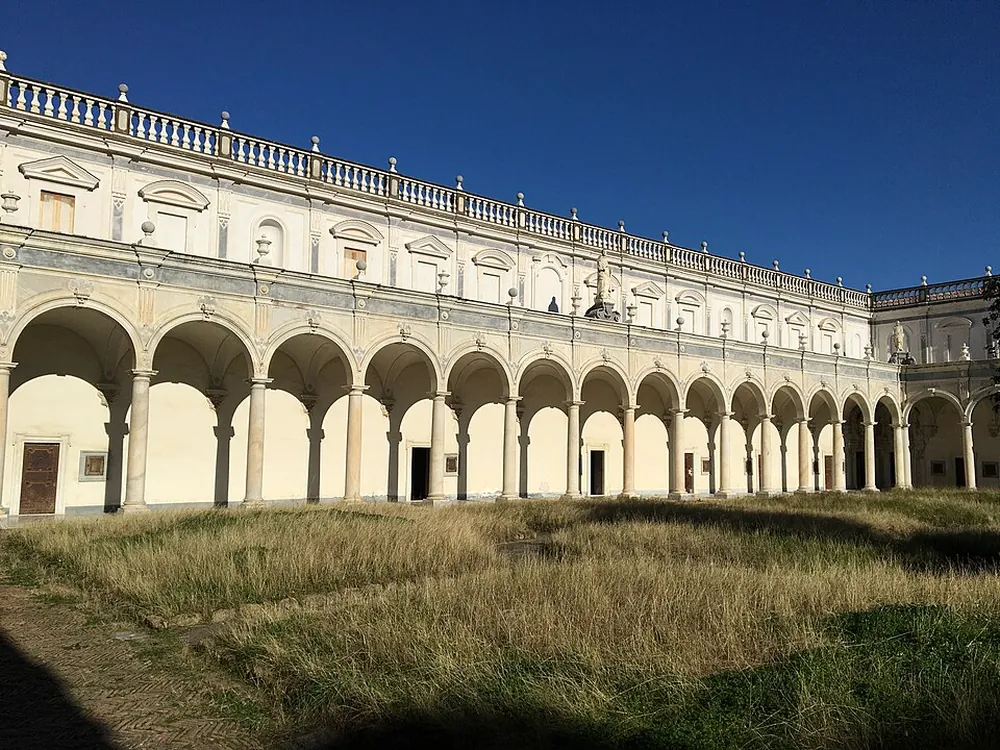
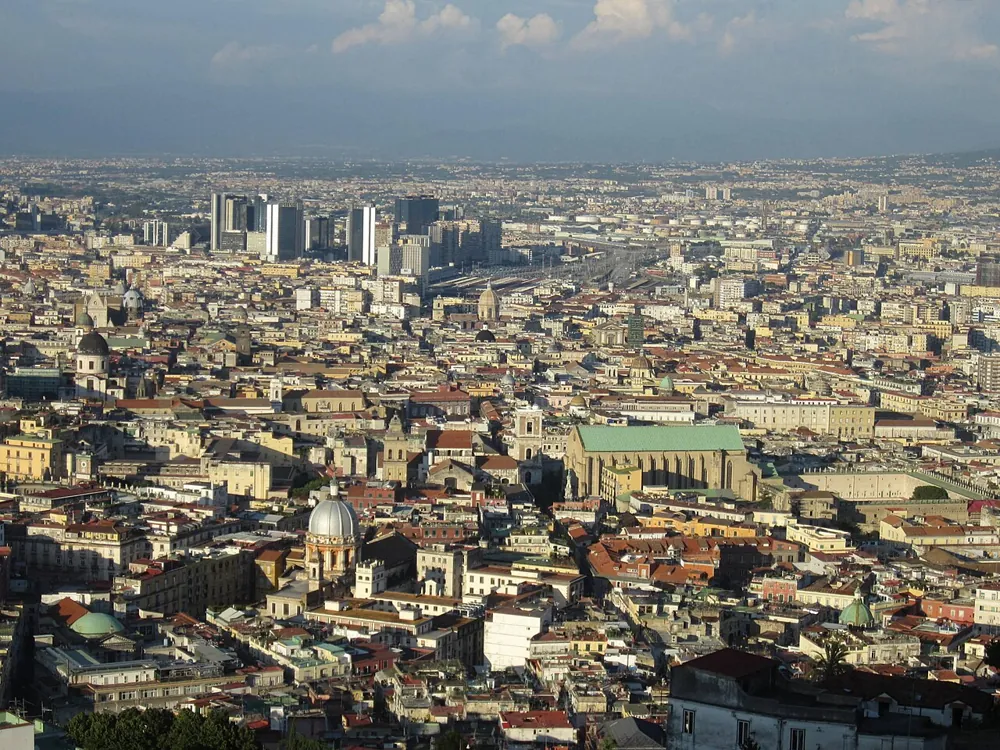
The highest point of the Vomero, where you see the whole city: the old centre with Spaccanapoli, the port, Vesuvius, Capri on clear days. The Certosa, a former monastery, has the great cloister with marble skulls on the balustrade, the baroque church and the collection of nativity scenes, including the Cuciniello, the most famous. The castle next door is a six-pointed star with an open terrace. Go up by funicular from Montesanto, or on foot via the Pedamentina, 414 steps.
8 · Art
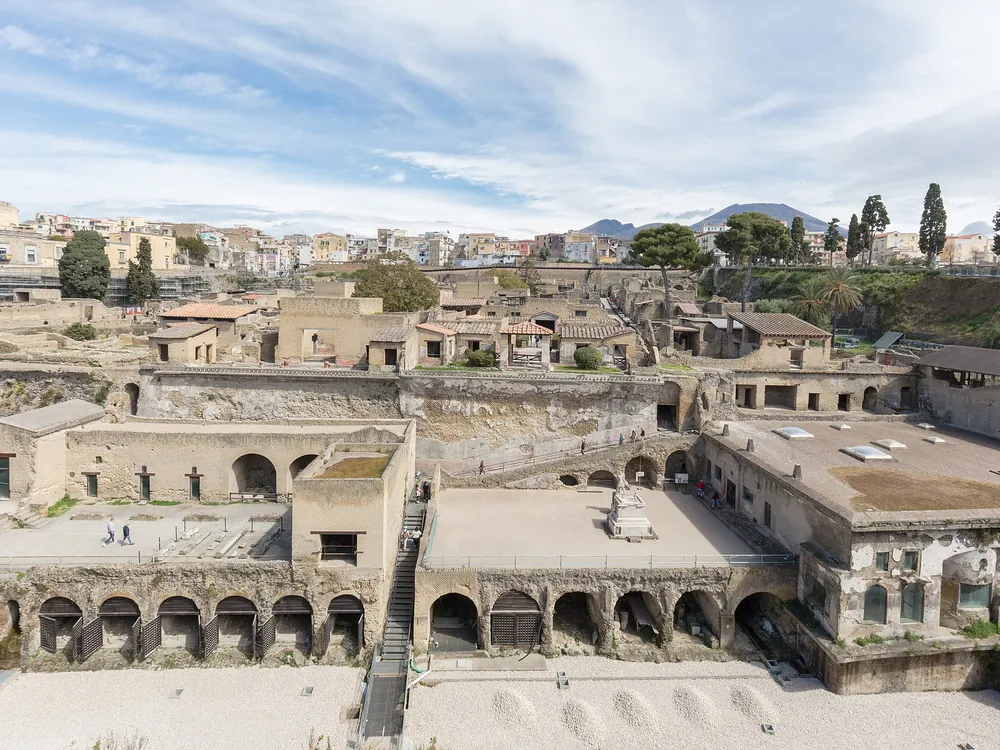
Pompeii is more famous, but Herculaneum is more complete: the volcanic mud preserved the upper floors of the houses, the charred furniture, the wooden beams, the doors. The site is small, you can see it in two hours, and the modern town sits literally on top of it. It's twenty minutes from Naples on the Circumvesuviana, the local train. Going with an archaeologist changes everything: the rooms become the homes of people with names, and the 300 skeletons in the boat sheds on the ancient beach become a story.
9 · Art · free
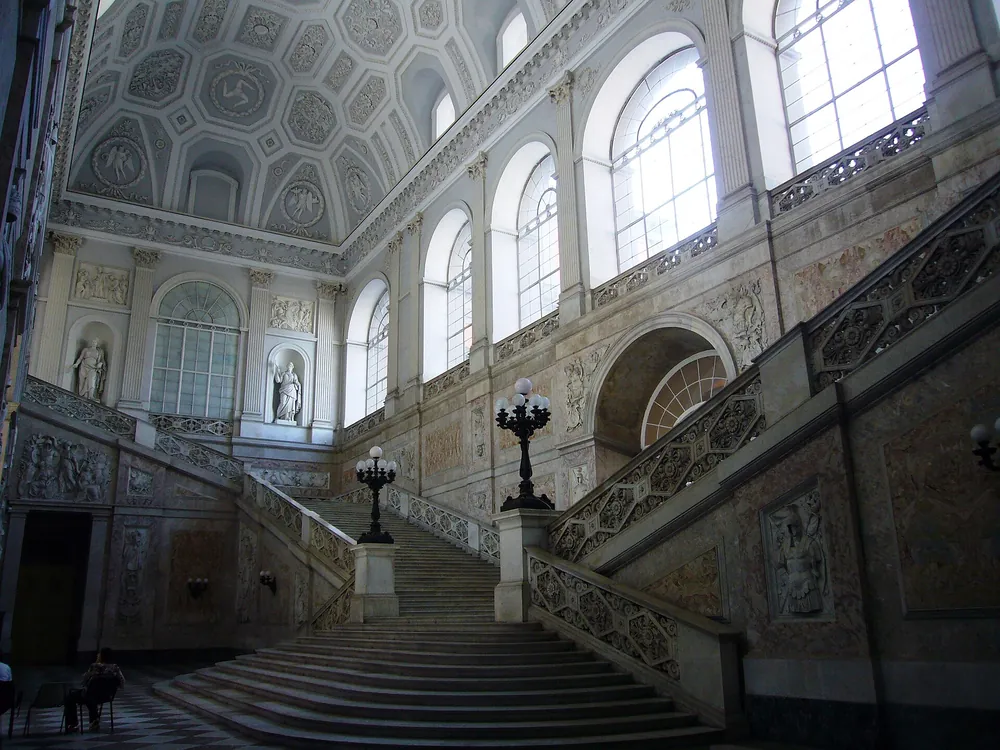
The city's largest square, with the colonnade of San Francesco di Paola on one side and, facing it, the palace front with statues of the kings of Naples in its niches. Inside: the grand staircase, the court theatre, the historic apartments with the furnishings of the Bourbons and the Savoys, and the hanging garden overlooking the port. The Teatro San Carlo and the Gambrinus café are a step away. The square is free to cross at any hour; the palace is closed on Wednesdays.
10 · Art
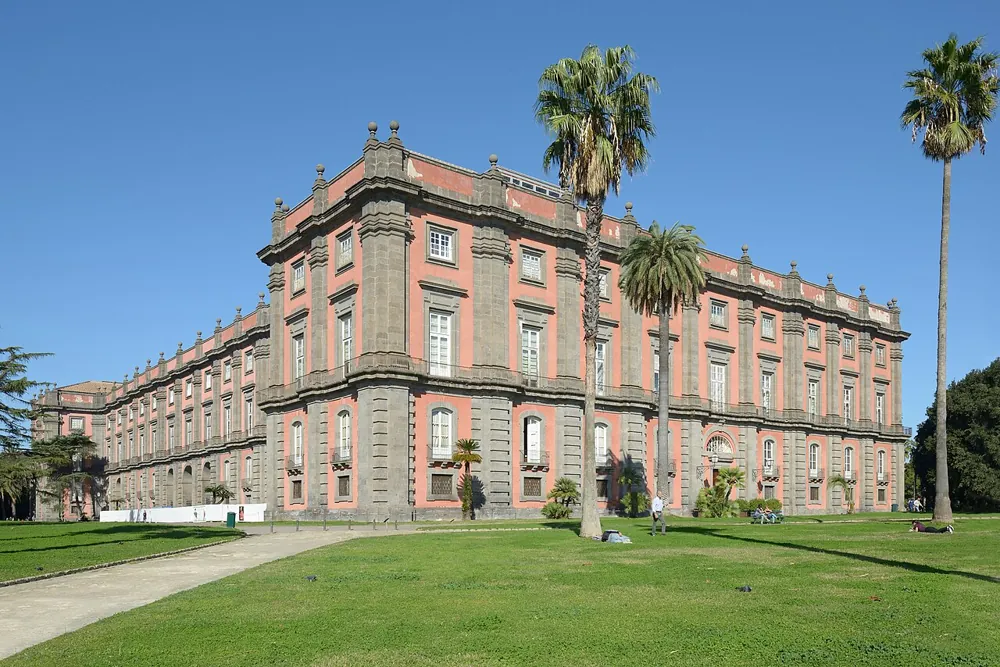
The royal palace on the hill houses the Farnese collection, which the Bourbons brought from Parma: Titian, Raphael, Masaccio, the Bruegels, and Caravaggio's Flagellation, painted in Naples in 1607. Around it is the Real Bosco, a 134-hectare park where Neapolitans go running and picnicking. The museum is big and far from the centre: in two hours an art historian takes you straight to the paintings that matter, then you can enjoy the park on your own.
11 · Food
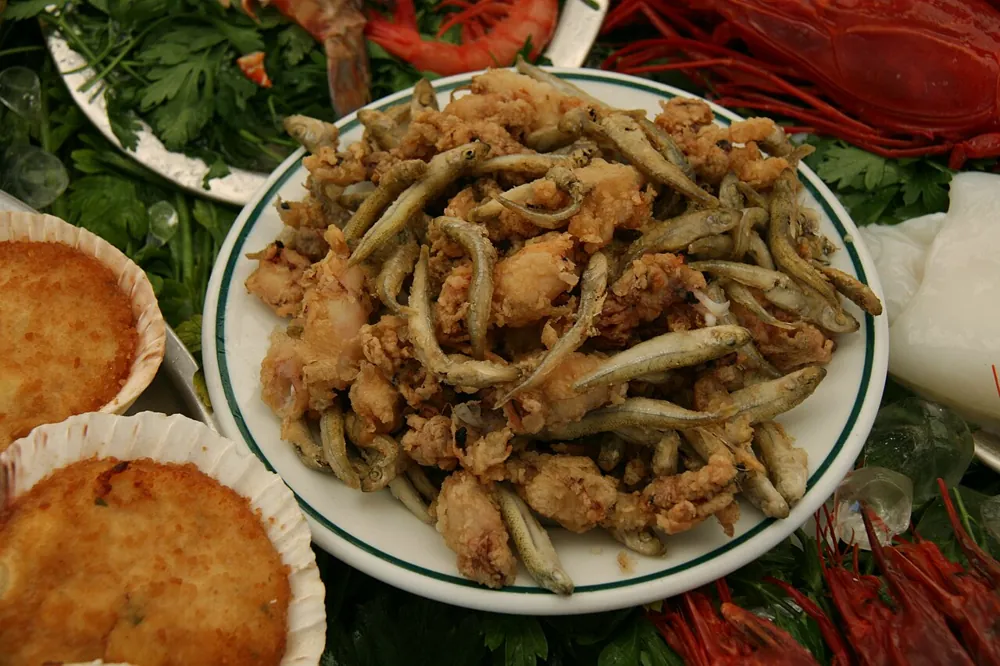
Folded pizza (pizza a portafoglio), frittatina (a deep-fried pasta cake), a cuoppo (paper cone) of fried bites, fried pizza, sfogliatella, babà, coffee at the bar: Neapolitan food is eaten standing up, walking between via Tribunali and the Pignasecca, and costs a few euros a stop. The problem is knowing where. Tours with a local guide solve that in two and a half hours: six or seven tastings in the right shops, with no queues and no tourist traps. Go hungry, and don't book dinner.
12 · Food · free
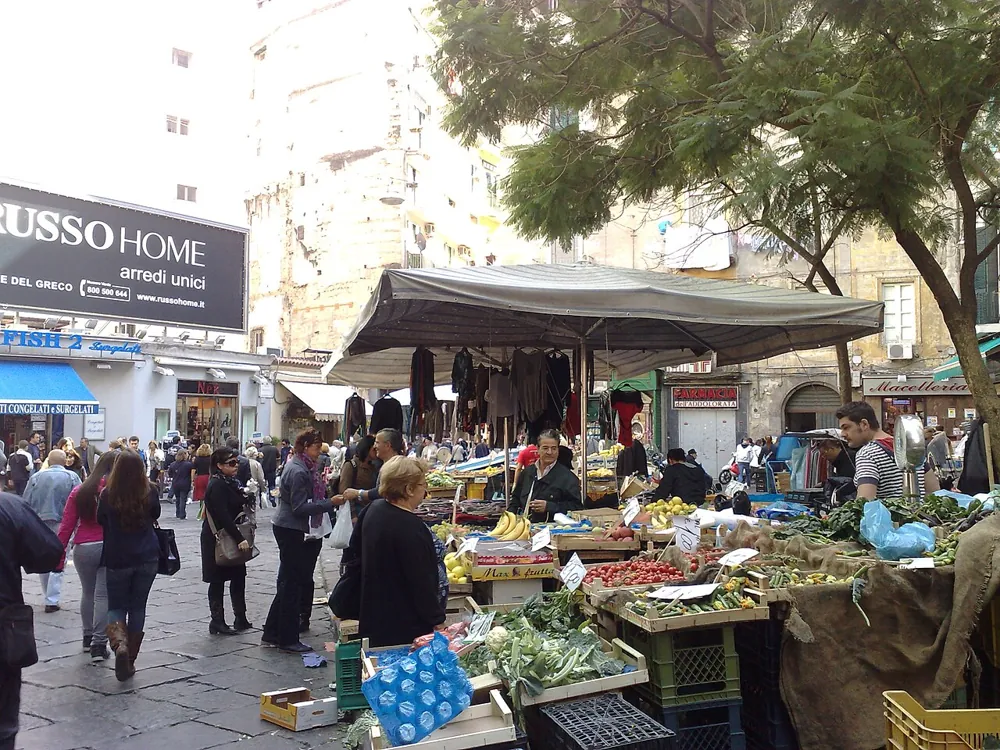
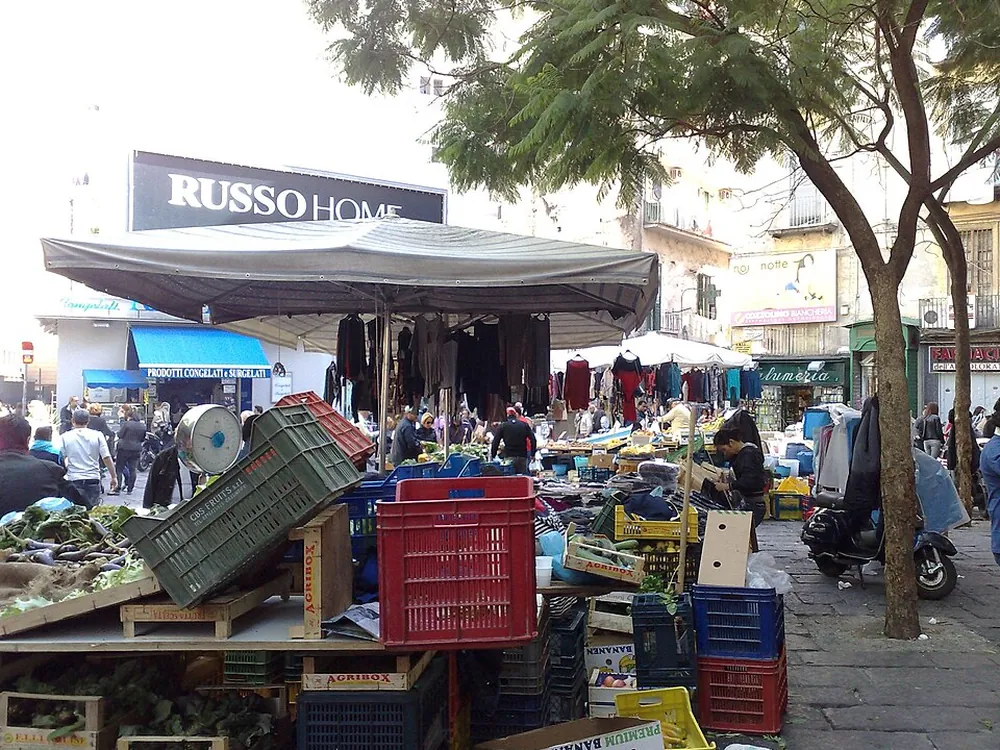
Behind via Toledo, the oldest street market in the city: fish on ice, fruit stalls, fry shops, delis with that day's mozzarella, sellers shouting their prices in dialect. Morning is the time to go, before 1pm. You can wander on your own, for free, buying a tarallo and a glass of limonata a cosce aperte (a fizzy lemon drink you lean forward to sip, as it foams over); or do it in six stops with someone who knows the stallholders by name, which is how you really get to taste everything.
13 · Food · free
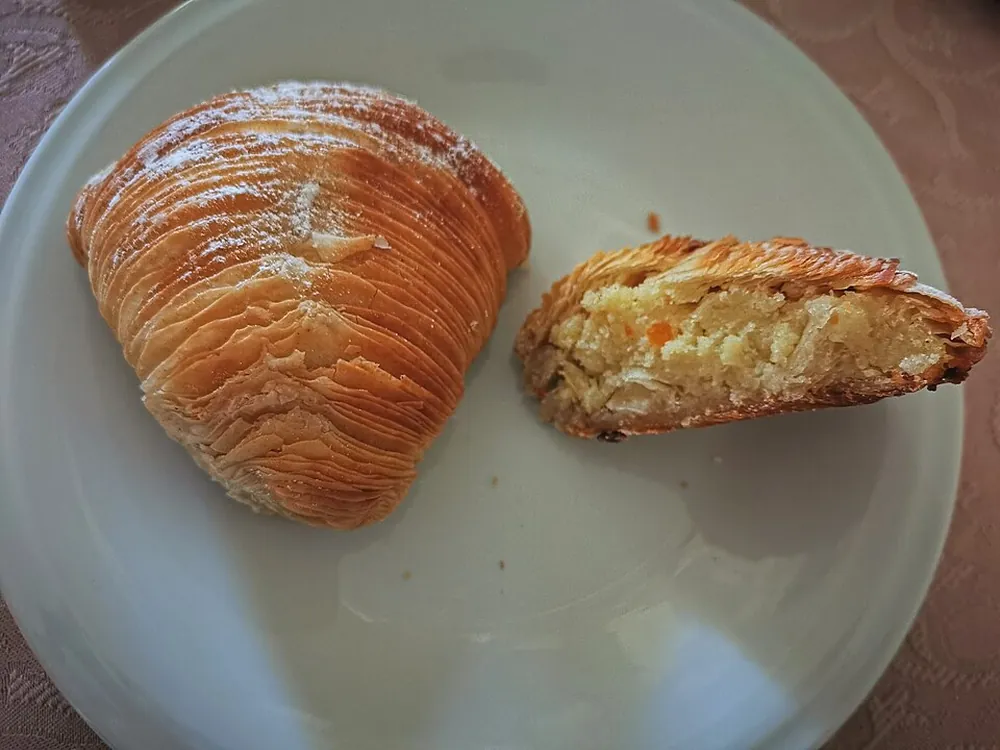
The riccia, with crisp, layered pastry, or the frolla, soft shortcrust: the filling of ricotta, semolina and candied peel is the same. It should be eaten warm, and Naples is full of places baking them at all hours, from the central station to Mergellina. Coffee is drunk at the bar, in a scalding cup, often already sweetened: ask for it amaro if you don't want sugar. It costs just over a euro, and many bars still keep the «caffè sospeso» tradition: a coffee paid for in advance for someone who can't afford one.
14 · Food
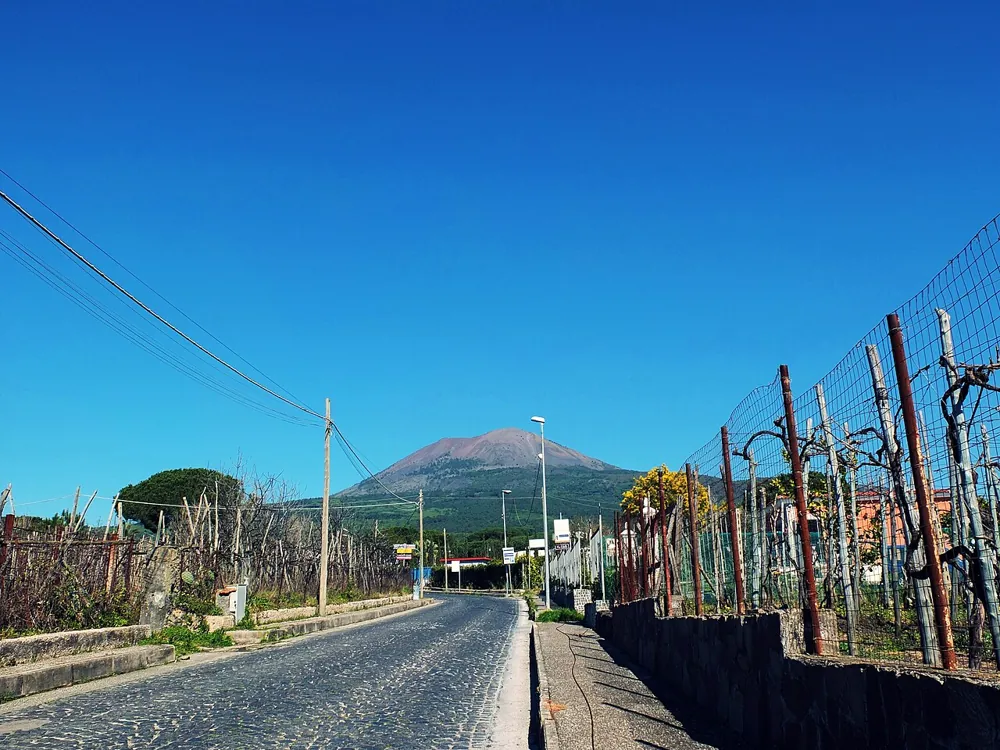
On the slopes of the volcano they make Lacryma Christi, white and red, from vines growing in the lava. You can visit the wineries: rows of vines with the crater behind you, the cellar, then a table laid with what the estate produces, from piennolo cherry tomatoes to olive oil. Four hours that count as lunch and an excursion in one, and you come back to town full, with a couple of bottles. If you have time, combine it with climbing to the crater in the morning.
15 · Food · free
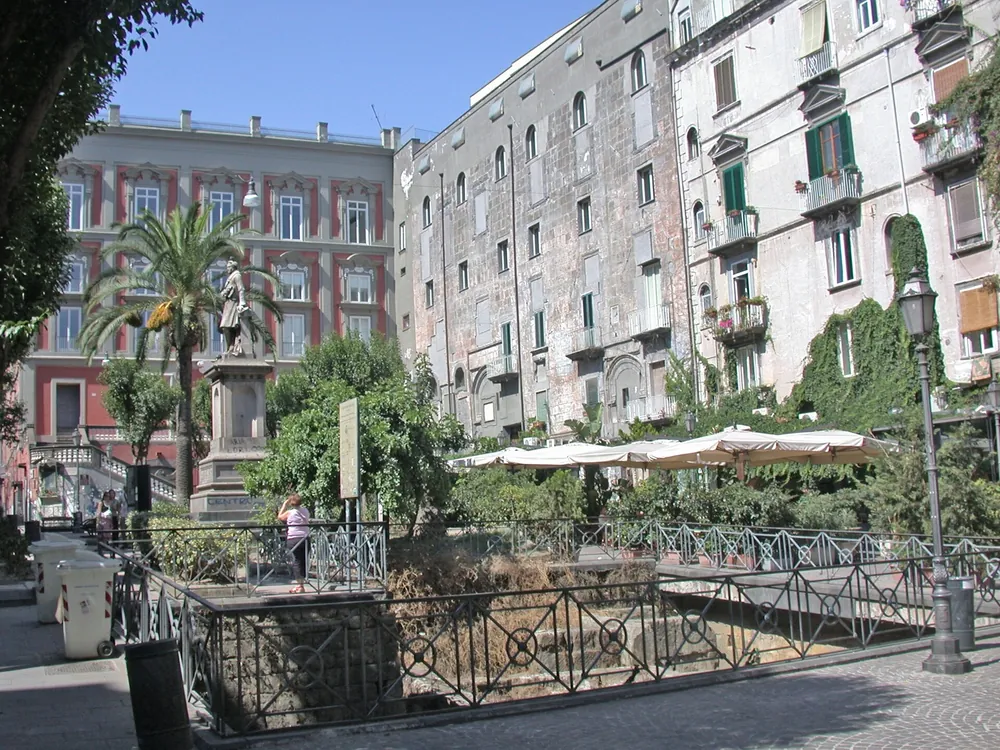
A tree-lined square on top of Greek walls from the 4th century BC, which you can see in the open among the café tables. Students, bookshops, a couple of historic bars, live music in the evening: it's where Neapolitans go for a drink before dinner, two minutes from via Tribunali and the MANN. A spritz costs what it costs anywhere in Italy; the meatballs and fried pizza in the lanes around are the best part. From 7pm onwards, every day.
16 · Workshops
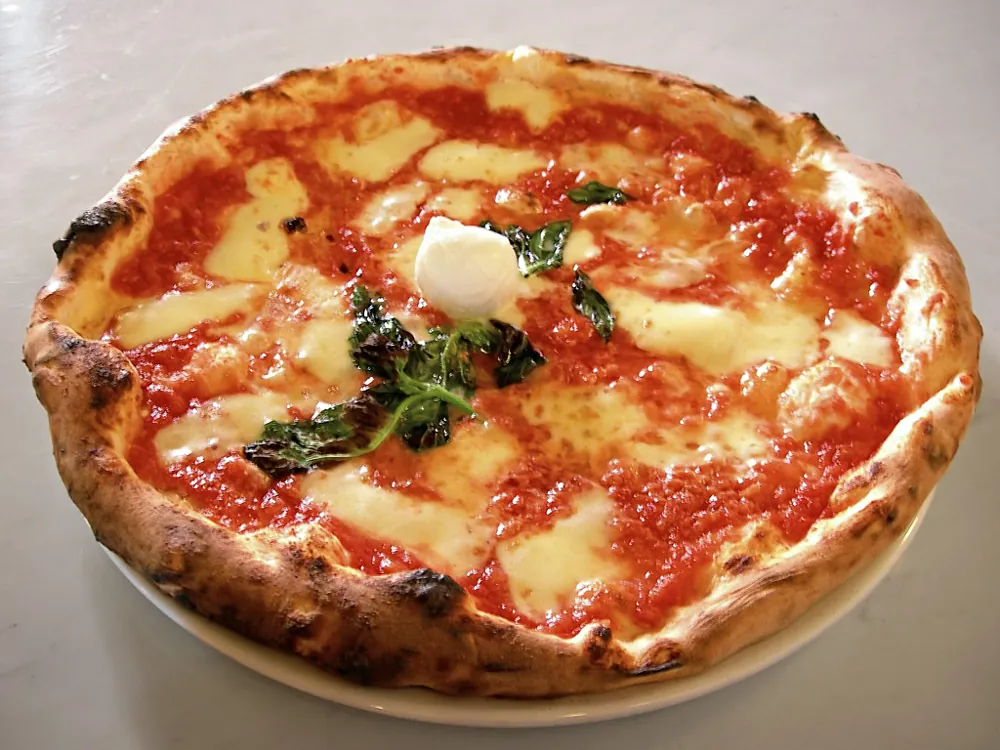
Dough of flour, water, salt and very little yeast, a long rise, stretched by hand without a rolling pin, sixty seconds in an oven at 450 degrees: Neapolitan pizza is on UNESCO's heritage list, and you can learn it in three hours, in a cookery school or right in a pizzeria. You go home knowing how to stretch the dough, plus the tiramisù you made in the meantime. It's the most booked experience in Naples, and the best suited to children and groups. You eat what you make, naturally.
17 · Workshops
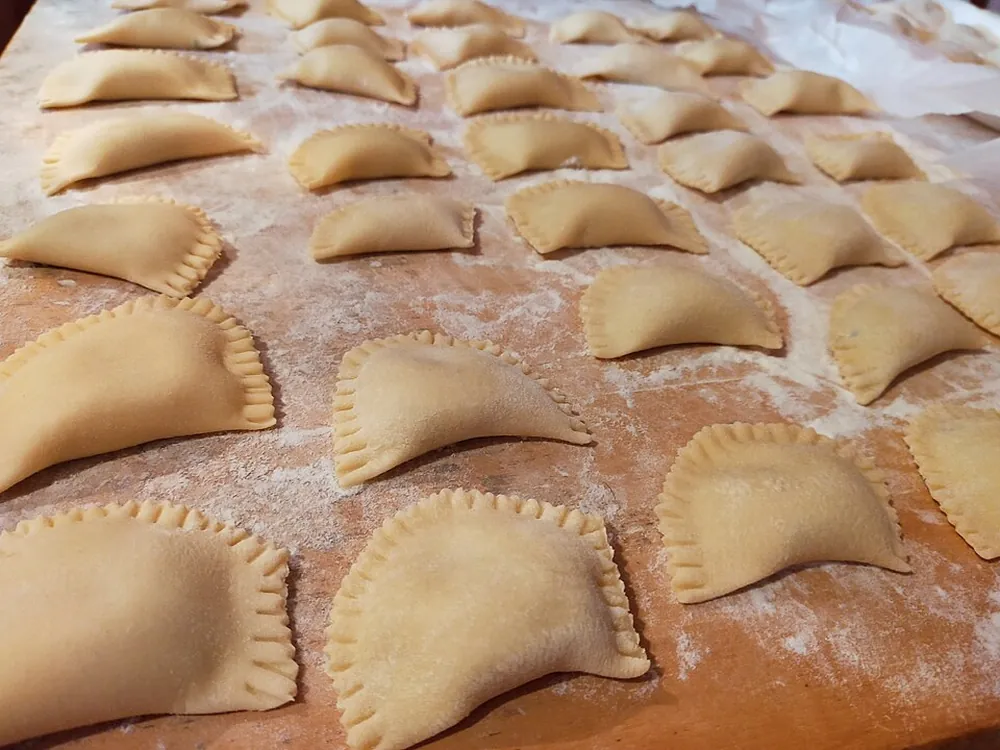
Ravioli, fettuccine, gnocchi, scialatielli: in Naples fresh pasta is still made at home on Sundays, and the classes recreate that kind of cooking. Flour and eggs on the table, the rolling pin, two sauces, a glass of wine, and at the end everyone eats together. The twenty-euro versions are among the cheapest and most successful things in the city; the ones in a Neapolitan's home, with a view over the bay, are more a family lunch than a class.
18 · Outdoor
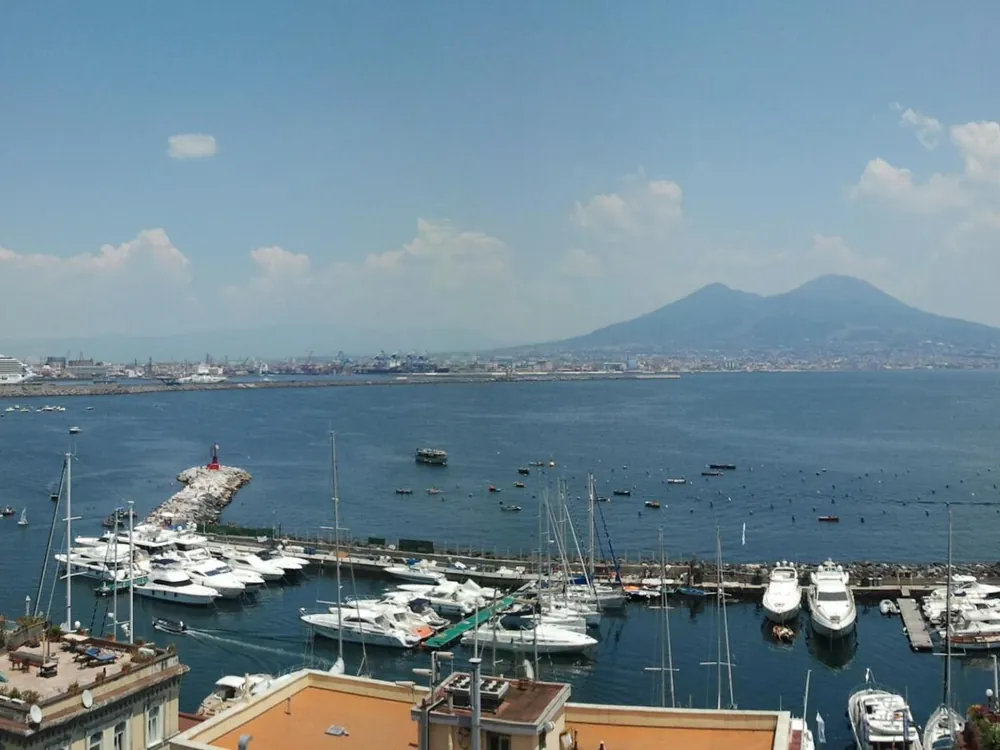
You need to see Naples from the water at least once. You set off from the Borgo Marinari, the little harbour at the foot of Castel dell’Ovo, and follow the Posillipo coast: villas on the sea, Palazzo Donn’Anna with its foundations in the water, the caves, the Gaiola. Behind you, Vesuvius and the whole city. Small boats, with nine seats, are better than the big ferries: an hour and a half with a stop for a swim, or three hours at sunset with a spritz on board. From May to October.
19 · Outdoor · free
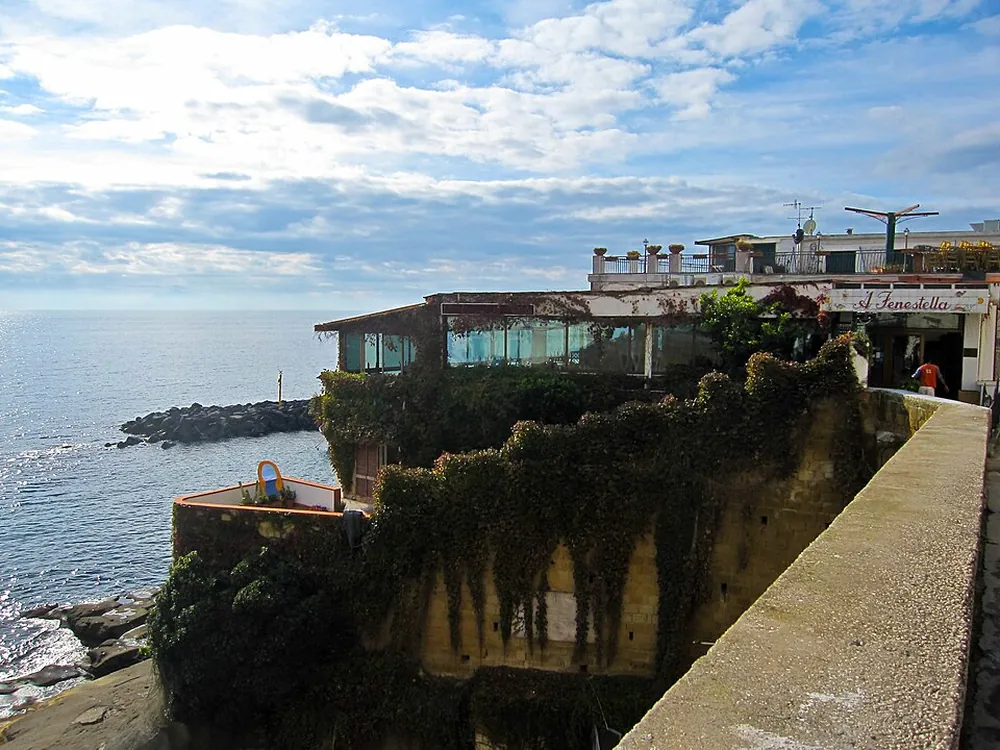
At the far end of Posillipo, the fishing village of Marechiaro with the «fenestella», the little window from the famous song, and restaurants by the sea; a little further on, the Gaiola, the islet with the cursed villa and the underwater park: Roman ruins a few metres from the shore that you can see with a mask. The Gaiola beach is small, free and has limited places, booked online. By private boat you get there from the Mergellina pier in half an hour, with a swim in the cove.
20 · Outdoor
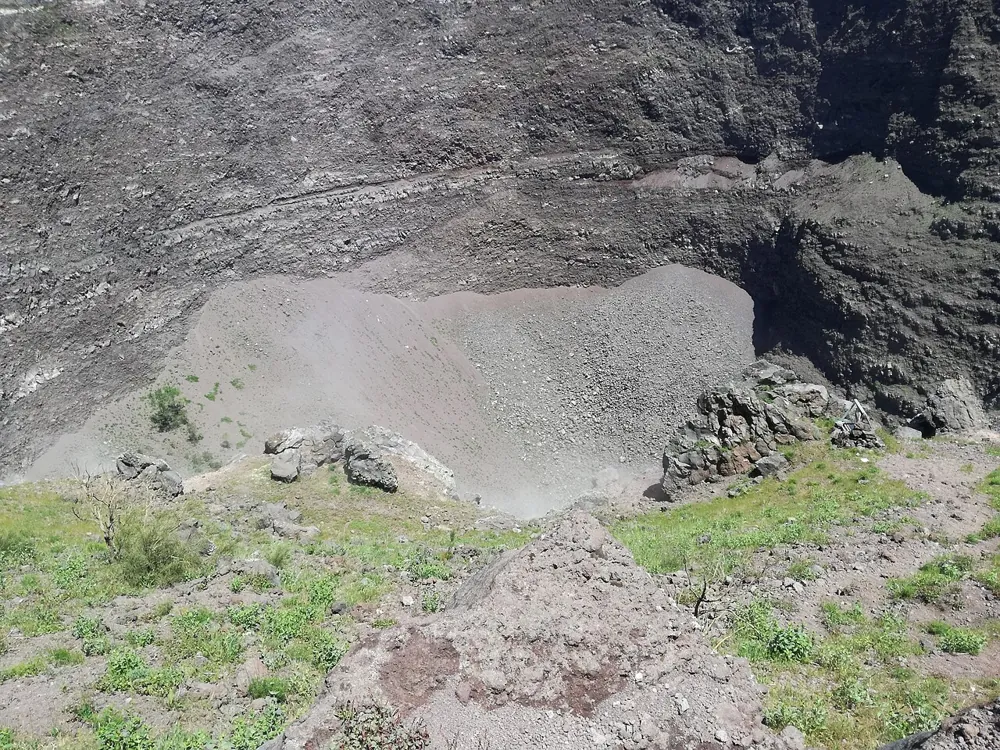
The volcano is half an hour from the city, and the path to the rim of the crater, from the car park at 1,000 metres, takes twenty minutes uphill on gravel. At the top you see the steaming crater and the whole bay, from Sorrento to Ischia. The park ticket is booked online for a time slot. If you want something different, go up on horseback along the lava trails on the Pompeii side: an hour in the National Park with local guides, fine even if you've never ridden before.
21 · Outdoor · free
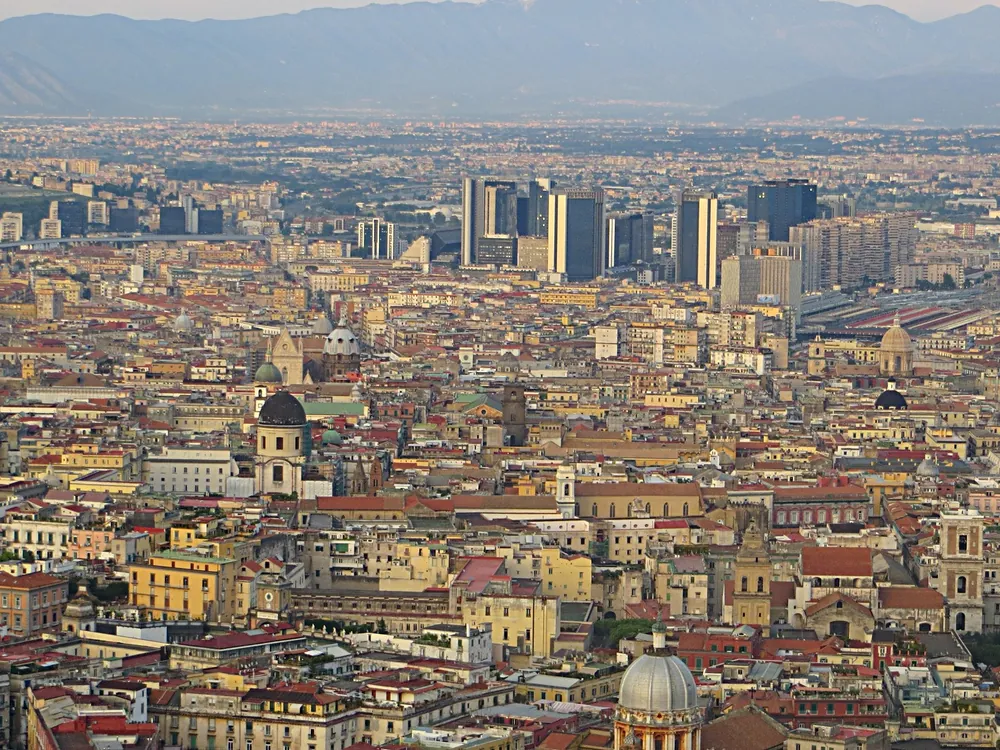
Naples is a vertical city and its stairways are a monument in themselves: the Petraio runs down from the Vomero to Chiaia past Art Nouveau villas, vegetable gardens and glimpses of the bay you'll never see from the road. The Pedamentina, the Calata San Francesco and the Moiariello behind Capodimonte are the others. They're free to climb; wear comfortable shoes and go in the morning. With a guide, in two hours you do the right stairways, the funicular and the Quartieri Spagnoli, and you understand how the city fits together.
22 · Outdoor · free
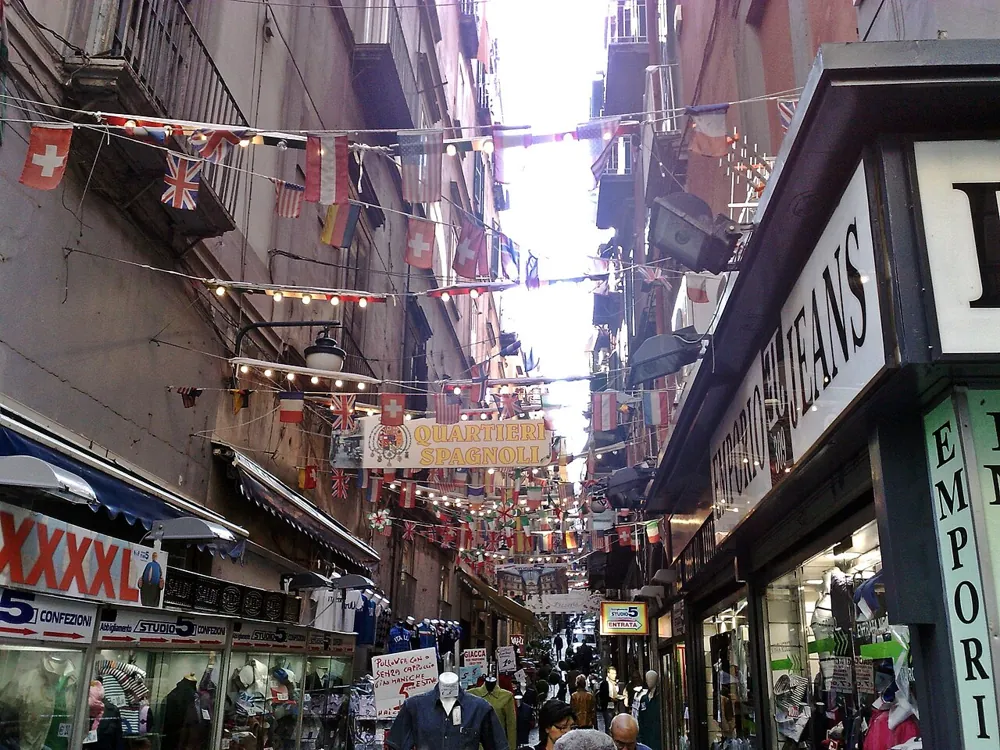
The grid of narrow streets climbing up from via Toledo, built in the 16th century to house Spanish troops: washing hanging out, scooters, workshops, the giant Maradona mural on via Emanuele De Deo, where there's always a crowd. Thirty years ago they were off limits; today it's the neighbourhood where you eat best for little, in ten-seat trattorias and small markets. You can wander on your own, by day, or with someone from the neighbourhood who takes you into the courtyards and workshops.
23 · Sport
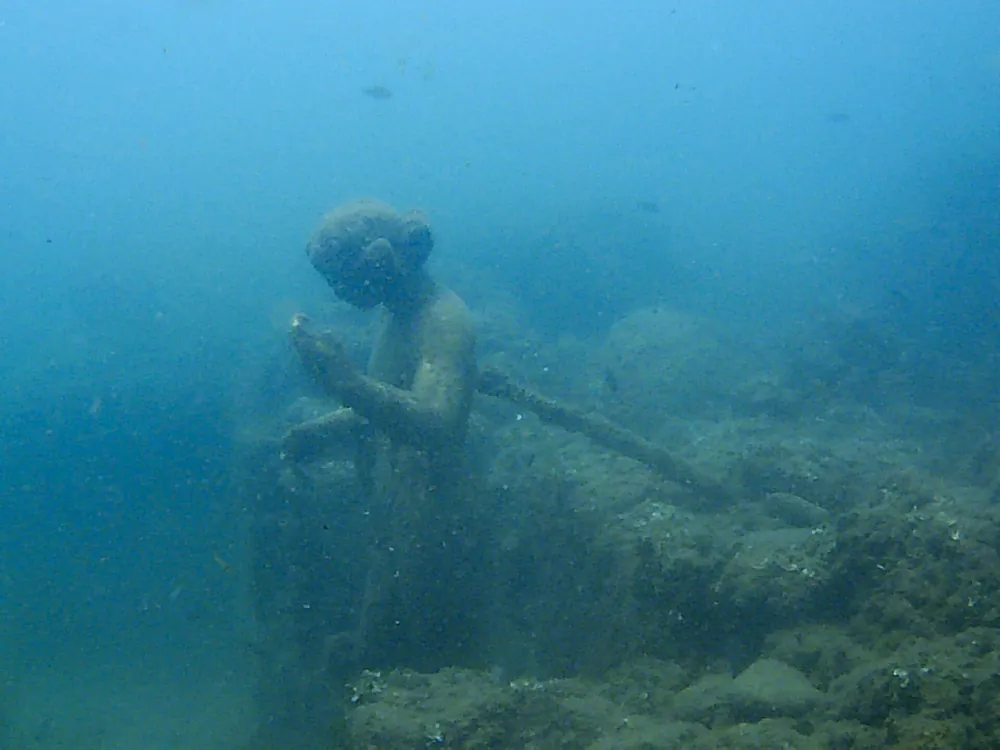
Bradyseism, the slow rise and fall of the ground in the Campi Flegrei, sank Roman Baia, the emperors' holiday resort: mosaics, streets, statues and nymphaeums lie a few metres under the sea and you can see them with mask and fins. At Posillipo, off the Gaiola, the underwater park is smaller but closer. Trips last two or three hours with a marine biologist, and in September the water is still 24°C. It's the strangest and most beautiful way to do archaeology.
24 · Sport
It sounds mad, but the centre is actually good for cycling: via Duomo, the Rettifilo, Piazza Municipio, Piazza del Plebiscito, then the Lungomare Caracciolo, car-free and flat all the way to Mergellina. Three hours with a guide, stops included, to see the whole lower city in one morning, away from the taxi traffic. For the hills there are fat-tyre e-bikes that climb to the Vomero and Posillipo without effort. Helmet and bike are included.
25 · Shows
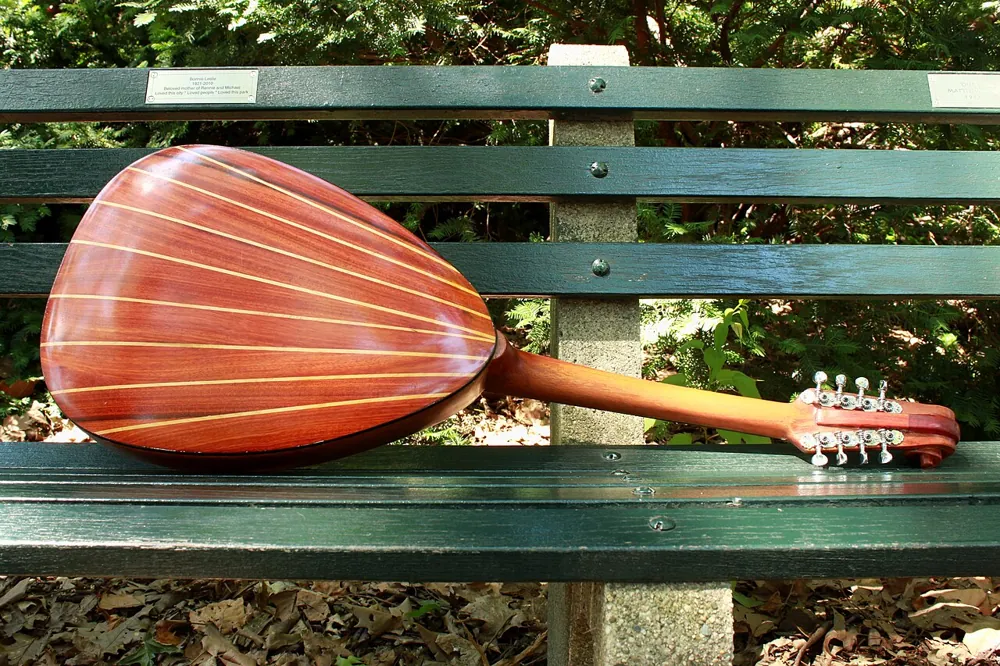
’O sole mio, Reginella, Era de maggio: Neapolitan song was born for bare voices and mandolins, and there are still concerts like that, in fifty-seat rooms in the centre, an hour after dinner. No amplification, the singers a metre away, the story behind each song told between one piece and the next. It's the best way to understand why this music went round the world, and it costs about as much as a pizza. Every evening, if you book ahead.
What people ask us most often about things to do in Naples.
Naples in the rain is lived indoors and underground: the Archaeological Museum, the Cappella Sansevero with the Veiled Christ, the Galleria Borbonica and Napoli Sotterranea aren't affected by the weather. Or a pizza or fresh pasta class fills two or three hours, and you finish by eating what you've made.
Art and underground experiencesThe seafront from Castel dell’Ovo to Mergellina, the café tables of Piazza Bellini and the lanes of Chiaia are the three classic evenings out. If you want something organised, there are evening street food tours in the Old Town, the shows on the programme and, in summer, open-air concerts: they're all in the programme above, with time and price.
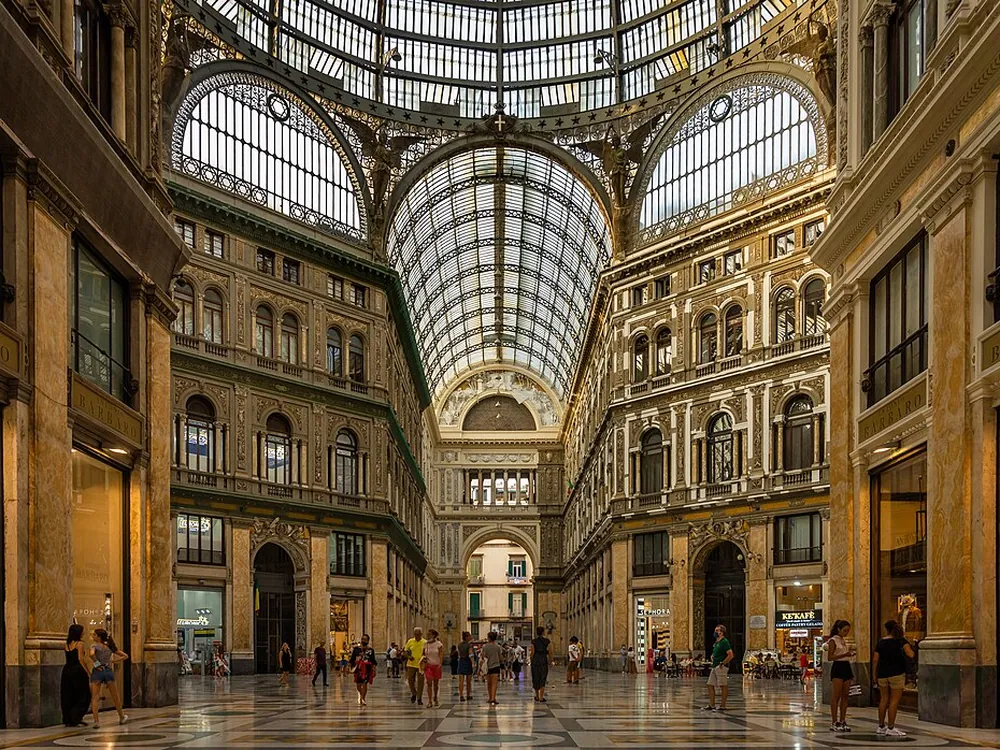
Shows in the cityPlenty: walk Spaccanapoli from Piazza del Gesù to Forcella, go up to the San Martino viewpoint in the Vomero, cut through the Galleria Umberto I, see the nativity scenes on San Gregorio Armeno, sit in Piazza del Plebiscito and walk the car-free seafront. In the programme, free events have “Free” or “Free entry” next to the title.
This week's programmeThe things that work best with little ones are the ones where you do something: a pizza class, a boat trip in the bay, climbing Vesuvius with a guide, Napoli Sotterranea for those who aren't afraid of the dark. The experience pages show duration and group size, so you can choose by age.
The workshopsMorning in the Old Town: Spaccanapoli, the Veiled Christ, a sfogliatella. Lunch with a pizza, ideally booked. Afternoon at the Archaeological Museum, or up to the Vomero by funicular for the view. Evening on the seafront. If you'd like a guide to show you round, walking tours of the centre last two or three hours and cover almost everything.
All experiencesThe experiences we select range from 10 to 120 euros per person. A street food tour with a guide usually costs between 40 and 60 euros, a pizza or pasta class between 20 and 70, a boat trip between 40 and 80. The prices you see are those of our partner platforms, kept up to date; almost all activities can be cancelled free of charge up to 24 hours before.
Experiences by categoryOur editors pick them one by one: neighbourhood festivals, concerts, exhibitions, markets, special openings. We only include what's worth going out of your way for, and we check date, time, place and price at the source. The programme is updated every morning.